



Hey there! As a supplier of APG1214, I'm super excited to share with you the production process of this amazing product. APG1214, also known as APG 1214/lauryl Glucoside/CAS:110615-47-9, is a widely used non - ionic surfactant with excellent performance in various industries. So, let's dive right into how it's made!
Raw Material Preparation
The first step in the production of APG1214 is getting the raw materials ready. The main raw materials for APG1214 are glucose and fatty alcohols. Glucose is usually sourced from starch, which can be derived from corn, wheat, or potatoes. It's a natural and renewable resource, making APG1214 an eco - friendly option.
The fatty alcohols used in APG1214 production are typically lauryl alcohol (C12) and myristyl alcohol (C14). These fatty alcohols are obtained from natural oils and fats, such as coconut oil or palm kernel oil. The quality of the raw materials is crucial as it directly affects the quality of the final APG1214 product. We always make sure to source high - quality raw materials from reliable suppliers to ensure the best performance of our APG1214.
Etherification Reaction
Once the raw materials are prepared, the next step is the etherification reaction. In this reaction, glucose reacts with fatty alcohols in the presence of an acid catalyst. The reaction usually takes place in a reactor under specific temperature and pressure conditions.
The acid catalyst helps to speed up the reaction and promote the formation of the glycosidic bond between glucose and fatty alcohols. We carefully control the reaction parameters, such as temperature, pressure, and the amount of catalyst, to ensure a high conversion rate and a good quality product. The reaction temperature is typically maintained between 100 - 130°C, and the reaction time can range from a few hours to several hours, depending on the reaction conditions.
During the etherification reaction, the glucose molecule combines with the fatty alcohol molecules to form alkyl polyglucosides. The degree of polymerization (DP) of the APG1214 is an important parameter that affects its properties. We can adjust the DP by controlling the reaction conditions and the ratio of raw materials.
Neutralization
After the etherification reaction is complete, the reaction mixture contains an acid catalyst, which needs to be removed. This is done through a neutralization process. A base, such as sodium hydroxide or potassium hydroxide, is added to the reaction mixture to neutralize the acid catalyst.
The neutralization reaction forms a salt, which can be removed from the reaction mixture through filtration or other separation methods. We need to be careful during the neutralization process to ensure that the pH of the reaction mixture is adjusted to the appropriate range. If the pH is too high or too low, it can affect the quality of the APG1214 product.
Purification
Once the neutralization is done, the APG1214 product needs to be purified. Purification is an important step to remove any unreacted raw materials, by - products, and impurities from the reaction mixture.
There are several purification methods that can be used, such as distillation, extraction, and filtration. Distillation is often used to remove the unreacted fatty alcohols and other low - boiling - point impurities. Extraction can be used to separate the APG1214 from other components in the reaction mixture using a suitable solvent. Filtration is used to remove any solid impurities from the product.
We use a combination of these purification methods to ensure that the APG1214 product meets the high - quality standards. The purified APG1214 has a clear and transparent appearance and excellent performance.
Formulation and Packaging
After purification, the APG1214 product can be formulated according to the specific requirements of customers. We can adjust the concentration, viscosity, and other properties of the APG1214 by adding other additives, such as water, preservatives, and stabilizers.
For example, Lauryl Glucoside 1200UP is a specific formulation of APG1214 with certain performance enhancements. Once the formulation is complete, the APG1214 product is ready for packaging.
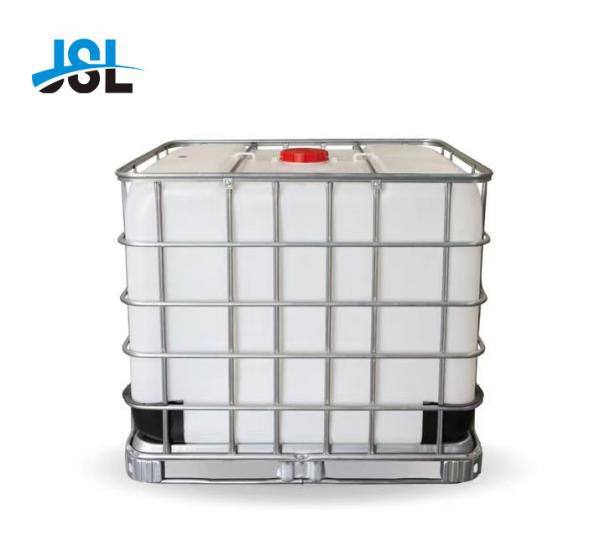
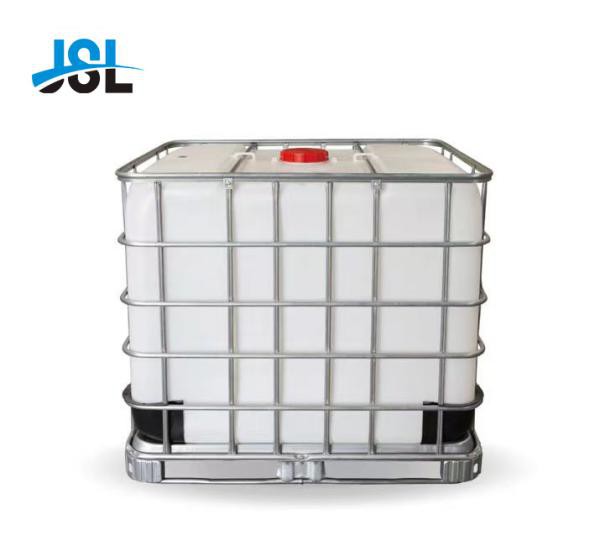
We package the APG1214 product in different containers, such as drums, tanks, or bottles, depending on the quantity and the customer's requirements. The packaging is designed to protect the product from contamination, moisture, and other environmental factors during storage and transportation.
Quality Control
Throughout the production process, quality control is of utmost importance. We have a strict quality control system in place to ensure that every batch of APG1214 meets the high - quality standards.
We conduct various tests on the raw materials, intermediate products, and the final APG1214 product. These tests include chemical analysis, such as measuring the content of APG1214, the degree of polymerization, and the content of impurities. We also test the physical properties of the product, such as viscosity, pH, and surface tension.
Only after the product passes all the quality control tests can it be released for sale. Our strict quality control measures ensure that our customers receive high - quality APG1214 products that perform consistently.
Applications of APG1214
APG1214 has a wide range of applications in different industries. In the personal care industry, it's used in shampoos, body washes, and facial cleansers. Its mildness and good foaming properties make it suitable for sensitive skin.
In the household cleaning industry, APG1214 is used in laundry detergents, dishwashing liquids, and all - purpose cleaners. It has good cleaning performance and is biodegradable, which is environmentally friendly.
In the industrial sector, APG1214 can be used as an emulsifier, dispersant, and wetting agent in various processes. Its excellent surface - active properties make it a valuable ingredient in many industrial formulations.
Why Choose Our APG1214?
As a supplier of APG1214, we take pride in our high - quality products and excellent service. We have advanced production equipment and a professional R & D team, which allows us to continuously improve the production process and product quality.
Our APG1214 products, such as APG 1214/lauryl Glucoside/CAS:110615-47-9, have been widely recognized in the market for their excellent performance and reliability. We also offer customized solutions to meet the specific needs of our customers.
If you're looking for a high - quality APG1214 supplier, look no further! We're committed to providing you with the best products and services. Whether you're in the personal care, household cleaning, or industrial sector, our APG1214 can meet your requirements.
Contact Us for Procurement
If you're interested in purchasing APG1214 or have any questions about our products, please feel free to contact us. We're more than happy to discuss your needs and provide you with detailed product information and quotes. Our team of experts is always ready to assist you in finding the best APG1214 solution for your business. Don't miss out on the opportunity to use our high - quality APG1214 products in your formulations!
References
- "Surfactants and Interfacial Phenomena" by Milton J. Rosen and M. J. Rosen.
- "Handbook of Detergents" edited by M. S. Showell.