


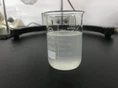

As a supplier of APG1214, I've witnessed firsthand the growing interest in this remarkable compound within the agricultural sector. APG1214, also known as alkyl polyglucoside 1214, is a non - ionic surfactant derived from renewable raw materials such as fatty alcohols and glucose. Its unique properties make it an ideal candidate for a variety of applications in agriculture.
1. APG1214 as a Wetting Agent
One of the primary roles of APG1214 in agriculture is as a wetting agent. In farming, it's crucial that pesticides, fertilizers, and other agrochemicals are evenly distributed on plant surfaces. APG1214 can significantly reduce the surface tension of water, allowing the spray solutions to spread more uniformly across leaves and other plant parts.
When a spray solution containing APG1214 is applied to plants, it forms a thin, continuous film over the surface. This film helps the active ingredients in the agrochemicals to adhere better to the plant, increasing their effectiveness. For example, in the case of pesticides, a better - spread solution means that more of the pest - controlling agents come into contact with the target pests, enhancing the overall pest - control efficiency.
The wetting ability of APG1214 also extends to soil applications. When added to irrigation water or soil - applied fertilizers, it can improve the penetration of water and nutrients into the soil. This is especially important in soils with poor wettability, such as sandy or hydrophobic soils. By improving water infiltration, APG1214 helps to ensure that plant roots have better access to water and nutrients, promoting healthy plant growth.
2. Emulsifying and Dispersing Agent
In addition to its wetting properties, APG1214 serves as an excellent emulsifying and dispersing agent. Many agrochemical formulations contain oil - based or solid - based active ingredients that need to be mixed with water. These ingredients can easily separate or agglomerate without the proper emulsifier or dispersant.
APG1214 can form stable emulsions by reducing the interfacial tension between oil and water phases. This allows oil - based pesticides or fertilizers to be evenly dispersed in water, creating a homogeneous spray solution. For instance, in the production of oil - in - water (O/W) emulsions for pesticide formulations, APG1214 helps to keep the oil droplets uniformly suspended in the water phase, preventing them from coalescing.
As a dispersing agent, APG1214 can break down and disperse solid particles in agrochemical suspensions. This is important for ensuring that the active ingredients in solid - based fertilizers or pesticides are evenly distributed throughout the spray solution. By preventing particle agglomeration, APG1214 helps to maintain the stability of the suspension and ensures that the active ingredients are delivered to the plants in a consistent manner.
3. Compatibility with Other Agrochemicals
Another significant advantage of APG1214 in agriculture is its excellent compatibility with a wide range of other agrochemicals. It can be used in combination with pesticides, herbicides, fungicides, and fertilizers without causing any significant chemical reactions or reducing the effectiveness of these products.
This compatibility allows farmers and agrochemical manufacturers to create multi - purpose formulations. For example, a single spray solution can contain a pesticide, a fertilizer, and APG1214. The APG1214 helps to improve the performance of both the pesticide and the fertilizer by enhancing their wetting, emulsifying, and dispersing properties.
Moreover, APG1214 is often compatible with different types of surfactants used in agrochemical formulations. This flexibility gives formulators more options when developing new products, allowing them to optimize the performance of the final agrochemical formulations.
4. Environmental Friendliness
In today's agricultural industry, there is an increasing demand for environmentally friendly products. APG1214 meets this requirement as it is derived from natural and renewable resources. It is biodegradable, which means that it can be broken down by natural microorganisms in the environment over time.
Compared to some traditional synthetic surfactants, APG1214 has a lower toxicity profile. This is beneficial for both the environment and human health. When used in agricultural applications, it poses less risk to non - target organisms such as beneficial insects, soil microorganisms, and aquatic life.
The use of APG1214 also aligns with the trend towards sustainable agriculture. By using a renewable and biodegradable surfactant, farmers can reduce their environmental impact while still achieving effective crop protection and growth promotion.
5. Improving Pesticide Efficacy
APG1214 can enhance the efficacy of pesticides in several ways. Firstly, as mentioned earlier, its wetting and spreading properties ensure that pesticides are evenly distributed on plant surfaces, increasing the chances of contact with pests. Secondly, it can improve the penetration of pesticides into plant tissues.
Some pests, such as aphids or mites, often hide in the crevices or undersides of leaves. APG1214 - enhanced pesticide solutions can better reach these hidden pests due to their improved wetting and spreading abilities. Additionally, the surfactant can help the pesticides to penetrate the cuticle of the plant, allowing the active ingredients to be more effectively absorbed by the plant and then transferred to the pests that feed on it.
6. Case Studies and Practical Applications
There have been numerous case studies demonstrating the effectiveness of APG1214 in agriculture. In a study on tomato crops, the addition of APG1214 to a fungicide spray solution significantly improved the control of early blight. The APG1214 - containing solution spread more evenly on the tomato leaves, covering a larger surface area and providing better protection against the fungal pathogen.
In another example, in a wheat field, the use of APG1214 in a fertilizer application improved the nutrient uptake of the plants. The surfactant enhanced the penetration of the fertilizer into the soil, resulting in healthier and more productive wheat crops.
7. Product Availability
As a supplier of APG1214, we offer high - quality products that meet the strict requirements of the agricultural industry. Our APG1214 products, such as Lauryl Glucoside 1200UP, APG 1214/lauryl Glucoside/CAS:110615 - 47 - 9, and APG 1214/lauryl Glucoside/CAS:110615 - 47 - 9, are carefully formulated to provide optimal performance in various agricultural applications.
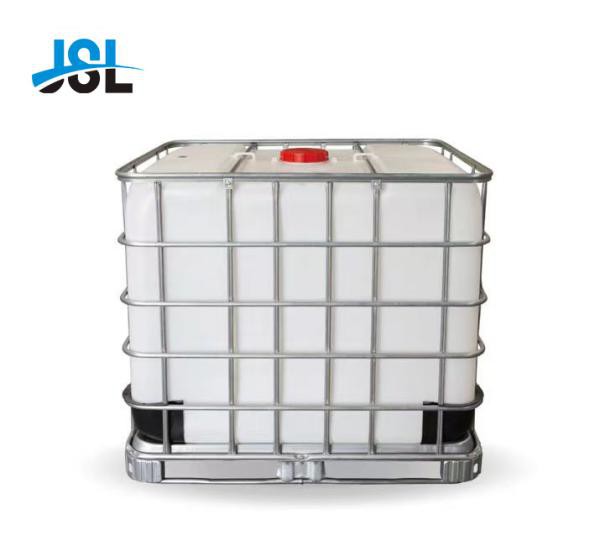
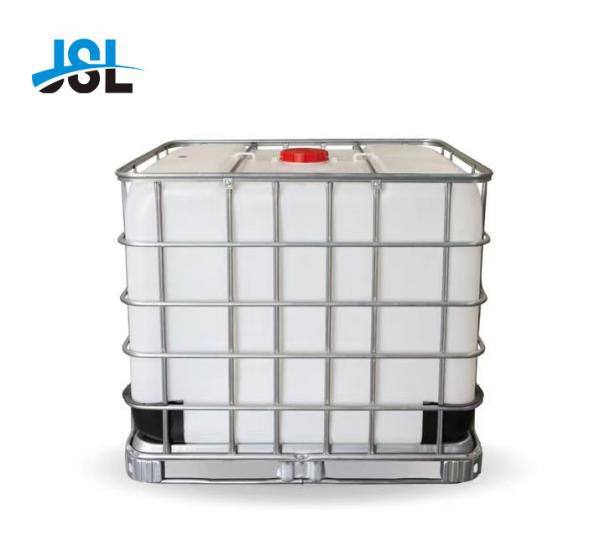
We understand the importance of product quality and consistency in agriculture. Our APG1214 products are produced under strict quality control measures to ensure that they meet the highest standards. Whether you are an agrochemical manufacturer looking to improve your product formulations or a farmer seeking more effective agricultural solutions, our APG1214 products can be a valuable addition to your operations.
8. Contact for Procurement
If you are interested in learning more about our APG1214 products or would like to discuss potential procurement opportunities, we encourage you to reach out to us. Our team of experts is ready to provide you with detailed information, technical support, and customized solutions based on your specific agricultural needs.
In conclusion, APG1214 plays a crucial and multi - faceted role in agriculture. Its wetting, emulsifying, dispersing, and compatibility properties, along with its environmental friendliness, make it an ideal choice for a wide range of agricultural applications. By using APG1214, farmers and agrochemical manufacturers can improve the effectiveness of their products, reduce environmental impact, and promote sustainable agriculture.
References
- Smith, J. (2018). Surfactants in Agricultural Formulations. Journal of Agricultural Chemistry, 45(2), 123 - 135.
- Brown, A. (2019). The Role of Non - Ionic Surfactants in Pesticide Efficacy. Agricultural Science Review, 32(3), 210 - 221.
- Green, C. (2020). Sustainable Surfactants for Agriculture. Environmental Agriculture Journal, 15(4), 345 - 356.