



Surface tension is a fundamental physical property of liquids that plays a crucial role in various industrial and biological processes. It refers to the tendency of a liquid's surface to contract and minimize its surface area, resulting in a sort of "skin" on the liquid's surface. The ability to reduce surface tension is a highly desirable characteristic in many applications, such as detergency, emulsification, and wetting. Among the numerous surfactants available in the market, alkyl glucoside (APG) has emerged as a highly effective and environmentally friendly option for surface tension reduction. As an alkyl glucoside supplier, I am excited to delve into the details of APG's surface tension reduction ability and its implications for different industries.
Understanding Surface Tension and Its Significance
Before exploring the surface tension reduction ability of alkyl glucoside, it is essential to understand the concept of surface tension and why it matters. Surface tension arises from the cohesive forces between liquid molecules. At the surface of a liquid, the molecules experience an imbalance of forces because they are only attracted to other liquid molecules below and beside them, not above. This imbalance creates a net inward force that causes the surface to behave like a stretched elastic membrane.
Surface tension has a profound impact on many natural and industrial phenomena. In nature, it allows insects to walk on water and enables plants to transport water through their vascular systems. In industry, surface tension affects processes such as coating, printing, and cleaning. For example, in cleaning applications, high surface tension can prevent cleaning solutions from spreading evenly on a surface, reducing their effectiveness. By reducing surface tension, surfactants like alkyl glucoside can enhance the wetting, spreading, and penetration of cleaning solutions, making them more efficient at removing dirt and stains.
The Mechanism of Surface Tension Reduction by Alkyl Glucoside
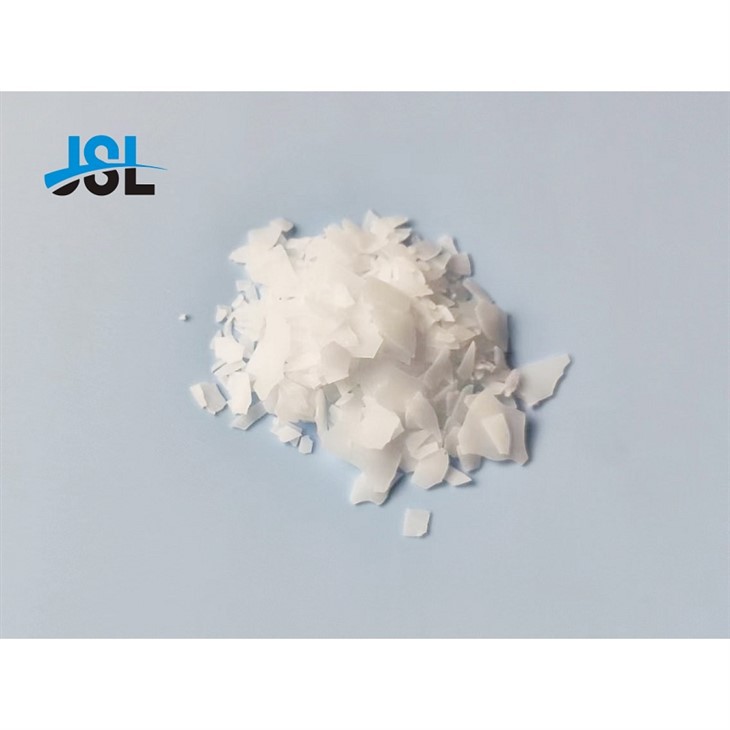
Alkyl glucoside is a non - ionic surfactant derived from renewable raw materials, typically glucose and fatty alcohols. Its unique molecular structure consists of a hydrophilic (water - loving) glucose head group and a hydrophobic (water - repelling) alkyl tail. When alkyl glucoside is added to a liquid, the surfactant molecules adsorb at the liquid - air interface. The hydrophobic tails of the APG molecules orient themselves towards the air, while the hydrophilic heads remain in the water phase.
This orientation disrupts the cohesive forces between the liquid molecules at the surface. As more APG molecules accumulate at the interface, they reduce the net inward force acting on the surface molecules, thereby lowering the surface tension of the liquid. The degree of surface tension reduction depends on several factors, including the concentration of APG, the length of the alkyl chain, and the nature of the liquid medium.
Concentration Dependence of Surface Tension Reduction
The relationship between the concentration of alkyl glucoside and the surface tension of a solution is a key aspect of its surface tension reduction ability. Generally, as the concentration of APG increases, the surface tension of the solution decreases. At low concentrations, the APG molecules start to adsorb at the liquid - air interface, gradually reducing the surface tension. However, there is a point called the critical micelle concentration (CMC). Beyond the CMC, the surfactant molecules start to form micelles in the bulk of the solution, and the surface tension reaches a relatively constant value.
For alkyl glucoside, the CMC is typically in the range of a few millimoles per liter. At concentrations below the CMC, the surface tension reduction is proportional to the logarithm of the APG concentration. Once the CMC is reached, further increases in APG concentration do not significantly lower the surface tension but can enhance other properties such as detergency and emulsification.
Influence of Alkyl Chain Length on Surface Tension Reduction
The length of the alkyl chain in alkyl glucoside also plays a crucial role in its surface tension reduction ability. Generally, longer alkyl chains result in greater surface tension reduction at lower concentrations. This is because longer alkyl chains have a stronger hydrophobic character, which allows them to adsorb more effectively at the liquid - air interface.
However, there is a limit to the beneficial effect of increasing the alkyl chain length. Extremely long alkyl chains can lead to reduced solubility in water, which may limit the surfactant's performance. Therefore, a balance needs to be struck between the length of the alkyl chain and the solubility of the alkyl glucoside to achieve optimal surface tension reduction.
Applications of Alkyl Glucoside's Surface Tension Reduction Ability
The excellent surface tension reduction ability of alkyl glucoside makes it a versatile surfactant with a wide range of applications across different industries.
Detergency
In the detergent industry, alkyl glucoside's surface tension reduction ability is highly valued. By lowering the surface tension of cleaning solutions, APG enhances their wetting and spreading properties, allowing them to penetrate dirt and stains more effectively. APG - based detergents can be used for various cleaning tasks, including laundry, dishwashing, and household cleaning. They are particularly suitable for sensitive skin applications because of their mildness and low toxicity. For example, Caprylyl/Decyl Glucoside APG215 CS UP is a popular choice for formulating gentle and effective detergents.
Emulsification
Emulsions are mixtures of two immiscible liquids, such as oil and water. Surface tension reduction is essential for the formation and stabilization of emulsions. Alkyl glucoside can act as an emulsifier by reducing the surface tension between the oil and water phases, allowing them to mix more easily. This property makes APG useful in the cosmetic, food, and pharmaceutical industries. In cosmetics, APG - based emulsions can provide a smooth and stable texture for creams and lotions. APG 0810H65/decyl Glucoside/CAS:68515 - 73 - 1 is often used in cosmetic emulsions due to its excellent emulsifying and surface tension reduction properties.
Coating and Printing
In the coating and printing industries, surface tension affects the spreading and adhesion of coatings and inks. Alkyl glucoside can be added to coating and ink formulations to reduce surface tension, improving their wetting and leveling properties. This results in a more uniform and smooth coating or print, enhancing the quality of the final product. APG 0810H60/220/decyl Glucoside/CAS:68515 - 73 - 1 can be a valuable additive in these applications, ensuring better performance and appearance.
Advantages of Using Alkyl Glucoside for Surface Tension Reduction
In addition to its excellent surface tension reduction ability, alkyl glucoside offers several other advantages that make it an attractive choice for different industries.
Environmental Friendliness
Alkyl glucoside is derived from renewable resources such as corn starch and coconut oil. It is biodegradable and has a low environmental impact compared to many synthetic surfactants. This makes it a sustainable option for industries looking to reduce their ecological footprint.
Mildness
APG is known for its mildness to the skin and eyes. It has a low irritation potential, making it suitable for personal care products and cleaning solutions that come into contact with human skin. This property is particularly important in the cosmetic and household cleaning industries, where consumer safety is a top priority.
Compatibility
Alkyl glucoside is compatible with a wide range of other surfactants, polymers, and additives. This allows formulators to combine APG with other ingredients to create customized products with enhanced performance. For example, APG can be used in combination with anionic surfactants to improve the overall performance of a detergent formulation.
Conclusion
The surface tension reduction ability of alkyl glucoside is a remarkable property that has significant implications for various industries. As an alkyl glucoside supplier, I am proud to offer high - quality APG products that can effectively reduce surface tension and enhance the performance of different applications. Whether it is for cleaning, emulsification, or coating, alkyl glucoside provides a sustainable, mild, and efficient solution.
If you are interested in exploring the potential of alkyl glucoside for your specific application or have any questions about its surface tension reduction ability, I encourage you to reach out to me. I am more than happy to discuss your requirements and provide you with the necessary information and samples. Let's work together to create innovative and effective products using the unique properties of alkyl glucoside.
References
- Rosen, M. J., & Kunjappu, J. T. (2012). Surfactants and Interfacial Phenomena. John Wiley & Sons.
- Holmberg, K., Jönsson, B., Kronberg, B., & Lindman, B. (2002). Surfactants and Polymers in Aqueous Solution. John Wiley & Sons.
- Myers, D. (1999). Surfaces, Interfaces, and Colloids: Principles and Applications. Wiley - VCH.