


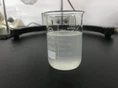

As a supplier of APG425N, I'm excited to share with you how this remarkable product works. APG425N, an alkyl polyglucoside (APG), is a non - ionic surfactant derived from renewable raw materials such as fatty alcohols and glucose. This makes it an environmentally friendly and sustainable choice in various industries.
Chemical Structure and Properties
The chemical structure of APG425N is the key to understanding how it functions. It consists of a hydrophilic (water - loving) glucose head group and a hydrophobic (water - hating) alkyl tail. The glucose part is derived from starch, usually from corn or wheat, while the alkyl chain comes from natural fatty alcohols, often sourced from coconut or palm kernel oil.
This unique structure gives APG425N several important properties. Firstly, it has excellent surface - active properties. When added to a liquid, it can reduce the surface tension of the liquid. Surface tension is the force that causes the surface of a liquid to behave like a stretched elastic membrane. By reducing this tension, APG425N allows the liquid to spread more easily, which is crucial in many applications such as cleaning and wetting.
Secondly, APG425N is highly biodegradable. Unlike some traditional surfactants that can persist in the environment for a long time, APG425N can be broken down by microorganisms into harmless substances such as carbon dioxide and water. This makes it an ideal choice for products that are designed to be environmentally friendly.
Working Mechanism in Cleaning Applications
One of the most common applications of APG425N is in cleaning products. In a cleaning solution, APG425N works in multiple ways.
Emulsification
When dealing with oily or greasy stains, APG425N acts as an emulsifier. Oils and water do not mix naturally; they tend to separate into two distinct layers. However, APG425N can surround the oil droplets with its hydrophobic tails facing the oil and its hydrophilic heads facing the water. This forms a stable emulsion, where the oil droplets are dispersed throughout the water. As a result, the oil can be easily removed from the surface being cleaned.
For example, in a dish - washing liquid, APG425N helps to break down the grease on the dishes. When the dish - washing liquid is added to water, the APG425N molecules start to interact with the grease on the dishes. The hydrophobic tails of the APG425N molecules attach to the grease, while the hydrophilic heads remain in the water. As the water is agitated, the grease is lifted off the dishes and forms an emulsion with the water, which can then be rinsed away.
Wetting
APG425N also improves the wetting ability of the cleaning solution. When a cleaning solution is applied to a surface, it needs to spread evenly over the surface to be effective. The reduced surface tension caused by APG425N allows the cleaning solution to wet the surface more thoroughly. This means that the solution can reach into small crevices and pores on the surface, ensuring that all areas are cleaned.
In floor cleaners, for instance, APG425N helps the cleaner to spread across the floor quickly and evenly. It can penetrate dirt and grime that may be stuck in the floor's surface, making it easier to lift and remove the dirt.
Foaming
Another important aspect of APG425N in cleaning applications is its foaming ability. Although foam is not directly related to cleaning performance, it is often associated with a sense of cleanliness by consumers. APG425N can produce a rich, stable foam. The foam helps to keep the cleaning solution in contact with the surface for a longer time, allowing more time for the cleaning action to take place.
In hand - soaps, the foam created by APG425N not only provides a pleasant sensory experience but also helps to distribute the soap evenly over the hands, ensuring thorough cleaning.
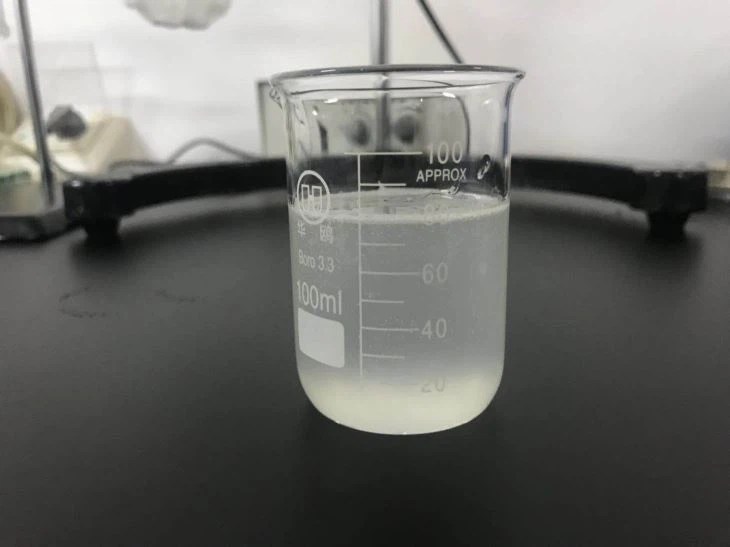
Working Mechanism in Personal Care Products
APG425N is also widely used in personal care products such as shampoos, body washes, and facial cleansers.
Mildness
One of the main advantages of using APG425N in personal care products is its mildness. The human skin and hair have a natural protective barrier. Harsh surfactants can damage this barrier, leading to dryness, irritation, and other skin problems. APG425N, on the other hand, is gentle on the skin and hair.
Its non - ionic nature means that it does not carry a charge, which reduces the likelihood of it interacting with the skin's natural proteins and lipids. This makes it suitable for people with sensitive skin. In shampoos, APG425N can clean the hair without stripping it of its natural oils, leaving the hair soft, shiny, and healthy.
Conditioning
In addition to its cleaning properties, APG425N can also act as a conditioning agent. It can form a thin film on the surface of the hair or skin, which helps to retain moisture. This film also smooths the surface of the hair, reducing frizz and making the hair easier to comb.
In body washes, APG425N leaves the skin feeling soft and hydrated after washing. It can also help to reduce the static electricity on the hair, which is a common problem in dry environments.
Comparison with Other Surfactants
When compared with other types of surfactants, such as anionic and cationic surfactants, APG425N has several unique advantages.
Anionic surfactants are the most commonly used surfactants in cleaning products. They are effective at removing dirt and grease but can be harsh on the skin and the environment. Cationic surfactants, on the other hand, are often used in fabric softeners and hair conditioners due to their ability to adsorb onto the surface of fibers. However, they are not as effective in cleaning applications as anionic or non - ionic surfactants.
APG425N combines the best of both worlds. It has good cleaning performance like anionic surfactants but is much milder on the skin. It also has some conditioning properties similar to cationic surfactants. Moreover, its biodegradability makes it a more sustainable choice compared to many traditional surfactants.
If you are interested in other related products, you can check out Decyl Glucoside APG 2000UP, APG 0814/coco Glucoside/CAS:141464 - 42 - 8, and APG 0814/coco Glucoside/CAS:141464 - 42 - 8.
Conclusion
In conclusion, APG425N is a versatile and environmentally friendly surfactant that works in various ways depending on the application. Its unique chemical structure gives it excellent surface - active, emulsifying, wetting, and foaming properties. Whether in cleaning products or personal care products, APG425N provides effective performance while being gentle on the skin and the environment.
If you are in the market for high - quality APG425N or have any questions about its applications, please feel free to contact us for further discussions and potential procurement opportunities.
References
- "Surfactants and Interfacial Phenomena" by Milton J. Rosen and J. T. Kunjappu
- "Handbook of Detergents" edited by Michael S. Showell