




Can APG 0810 be used in corrosive environments?
As a supplier of APG 0810, I am frequently asked about the product's performance in corrosive environments. This is a crucial question, especially for industries that deal with harsh chemicals and need reliable surfactants. In this blog post, I will delve into the properties of APG 0810 and explore its potential use in corrosive settings.
Understanding APG 0810
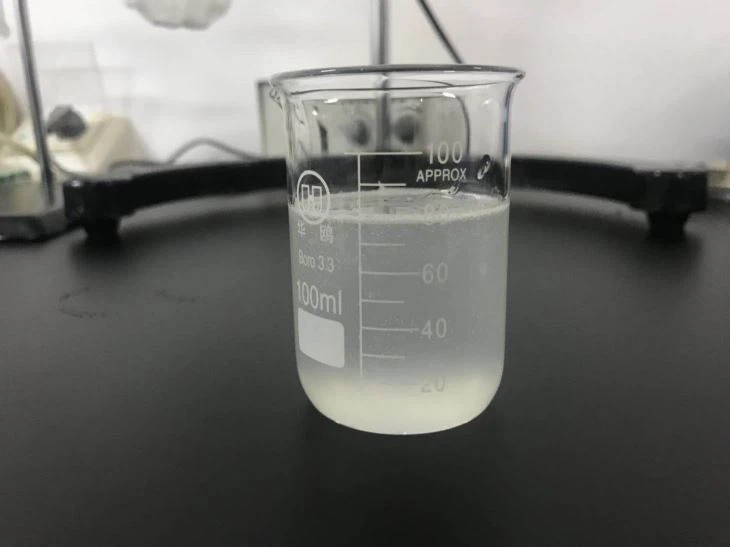
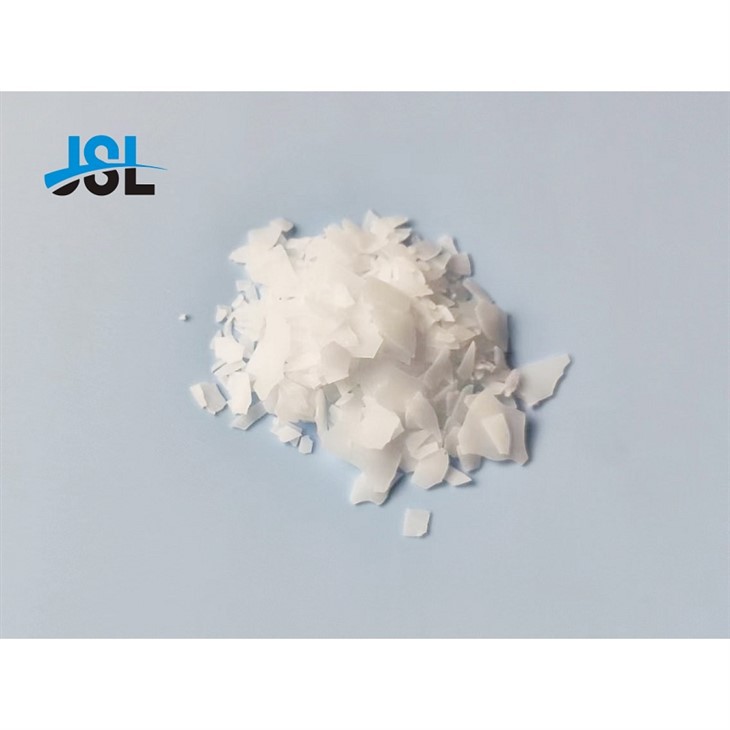
APG 0810, also known as alkyl polyglucoside, is a non - ionic surfactant derived from renewable raw materials such as fatty alcohols and glucose. It has gained popularity in various industries due to its excellent surface - active properties, low toxicity, and biodegradability. There are different types of APG 0810 products available, such as APG 0810H60/220/decyl Glucoside/CAS:68515 - 73 - 1, Caprylyl/Decyl Glucoside APG 8170, and Caprylyl/Decyl Glucoside APG215 CS UP.
Chemical Resistance of APG 0810
One of the key factors to consider when evaluating a substance's suitability for corrosive environments is its chemical resistance. APG 0810 has shown a relatively good level of chemical stability.
Resistance to Acidic Environments
In mild to moderately acidic solutions, APG 0810 maintains its structural integrity and performance. The glycosidic bond in APG 0810 is relatively stable under acidic conditions, as long as the acid concentration is not extremely high. For example, in solutions with a pH ranging from 3 to 6, APG 0810 can still function effectively as a surfactant, reducing surface tension and facilitating emulsification. However, in highly concentrated acid solutions (pH < 2), the glycosidic bond may start to hydrolyze over time, which can lead to a decrease in its surfactant properties.
Resistance to Alkaline Environments
APG 0810 also exhibits a certain degree of resistance to alkaline environments. In moderately alkaline solutions (pH 8 - 11), it remains stable and can perform well as a surfactant. The hydroxyl groups on the glucose moiety and the alkyl chains can interact with alkaline substances in a way that does not cause significant degradation. But in highly alkaline solutions (pH > 12), the hydrolysis of the glycosidic bond may occur at an accelerated rate, similar to what happens in highly acidic conditions.
Resistance to Oxidizing Agents
When it comes to oxidizing agents, APG 0810 has limited resistance. Strong oxidizing agents such as hydrogen peroxide, chlorine, and permanganate can react with the alkyl chains and the glucose part of APG 0810, leading to the breakdown of the molecule. This results in a loss of its surfactant properties and potentially the formation of unwanted by - products.
Applications in Corrosive Environments
Based on its chemical resistance profile, APG 0810 can be used in some corrosive environments, but with certain limitations.
Mildly Corrosive Cleaning Products
In household and industrial cleaning products that deal with mildly acidic or alkaline stains, APG 0810 can be a great choice. For example, in all - purpose cleaners with a pH around 7 - 9, APG 0810 can effectively remove dirt, grease, and grime without being significantly affected by the mild alkalinity of the solution. It can also be used in acidic toilet bowl cleaners with a relatively low acid concentration (pH around 3 - 5) to enhance the cleaning power and reduce the surface tension of the cleaning solution.
Metalworking Fluids
In metalworking, where cutting, grinding, and forming operations are carried out, metalworking fluids are used to cool, lubricate, and protect the metal surfaces. These fluids often need to be resistant to mild corrosion. APG 0810 can be incorporated into metalworking fluids to improve their wetting and emulsifying properties. Since the pH of metalworking fluids is usually in the range of 7 - 9, APG 0810 can maintain its stability and functionality in this environment.
Limitations and Precautions
Despite its potential use in some corrosive environments, there are limitations and precautions that need to be taken when using APG 0810.
Concentration and Exposure Time
The concentration of corrosive substances and the exposure time of APG 0810 to these substances are critical factors. Even in mildly corrosive environments, long - term exposure or high concentrations of corrosive agents can lead to the degradation of APG 0810. Therefore, it is important to carefully control the process parameters and ensure that the exposure time is minimized.
Compatibility with Other Components
When formulating products for corrosive environments, the compatibility of APG 0810 with other components in the formulation needs to be considered. Some additives or solvents may react with APG 0810 in the presence of corrosive agents, which can affect the overall performance of the product.
Conclusion
In conclusion, APG 0810 can be used in certain corrosive environments, especially those with mild to moderate acidity or alkalinity. Its chemical resistance allows it to function effectively in a range of applications such as cleaning products and metalworking fluids. However, it has limitations when exposed to highly acidic, highly alkaline, or strongly oxidizing environments.
If you are looking for a reliable surfactant for your corrosive - environment applications, I encourage you to reach out for more detailed information and discuss potential procurement. We can work together to find the most suitable APG 0810 product for your specific needs.
References
- "Surfactants: Chemistry, Interfacial Properties, and Applications" by K. Holmberg, B. Jönsson, B. Kronberg, and B. Lindman.
- "Non - Ionic Surfactants: Physical Chemistry" edited by M. J. Schick.