



As a supplier of APG1214, one of the most frequently asked questions I receive is whether APG1214 can be customized. In this blog post, I will delve into this topic, exploring the possibilities, limitations, and considerations regarding the customization of APG1214.
Understanding APG1214
Before we discuss customization, it's essential to understand what APG1214 is. APG1214, also known as APG 1214/lauryl Glucoside/CAS:110615-47-9, is an alkyl polyglucoside (APG). APGs are a class of non - ionic surfactants derived from renewable raw materials such as fatty alcohols and glucose. APG1214 specifically is a mixture with a carbon chain length distribution mainly from C12 to C14.
These surfactants are known for their excellent surface - active properties, including good foaming, wetting, and detergency. They are also environmentally friendly, biodegradable, and have low toxicity, which makes them suitable for a wide range of applications, such as personal care products, household cleaning agents, and industrial detergents.
The Potential for Customization
Chemical Composition
One aspect of customization could involve adjusting the chemical composition of APG1214. For example, the ratio of C12 to C14 carbon chains can be tweaked. A higher proportion of C12 chains may result in better foaming properties, which is desirable in products like shampoos and body washes. On the other hand, a higher C14 content can enhance the surfactant's solubility and stability in certain formulations, making it more suitable for industrial cleaning applications.
We can also consider modifying the degree of polymerization of the glucose units. A different degree of polymerization can affect the surfactant's hydrophilic - lipophilic balance (HLB), which in turn influences its performance in different systems. By custom - tailoring the HLB value, we can optimize APG1214 for specific applications.
Physical Properties
Customization can also extend to physical properties. The viscosity of APG1214 can be adjusted. For applications where a more viscous product is required, such as in thick - bodied liquid detergents, we can modify the formulation to increase the viscosity. Conversely, for products that need to flow easily, like some spray - type cleaners, a lower - viscosity version can be developed.
The color and odor of APG1214 can also be customized. Some applications, especially in the personal care industry, may require a colorless and odorless surfactant. Through advanced purification and refinement processes, we can achieve these desired characteristics.
Packaging
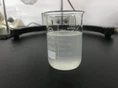
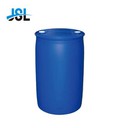
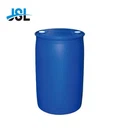
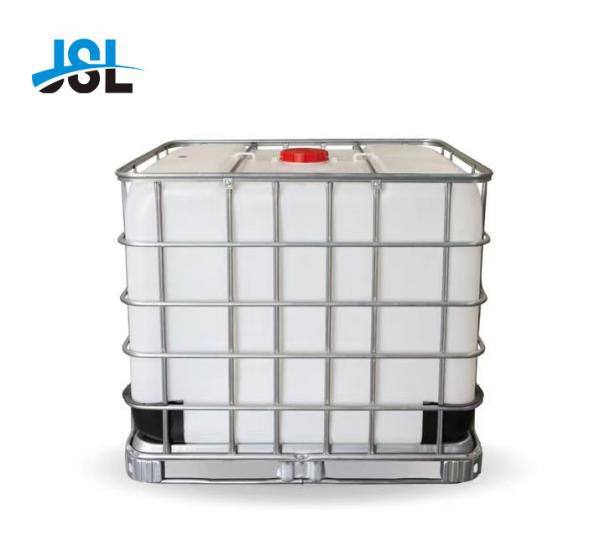
Another area of customization is packaging. We understand that different customers have different packaging requirements. Whether it's small - scale packaging for laboratory testing or large - volume drums for industrial use, we can provide customized packaging solutions to meet the specific needs of our clients.
Limitations and Challenges
Technical Constraints
While customization offers many possibilities, there are technical limitations. Adjusting the chemical composition is not always straightforward. The synthesis process of APG1214 has certain reaction conditions and equilibrium limitations. For example, achieving an extremely high or low ratio of C12 to C14 chains may be difficult due to the nature of the raw materials and the reaction kinetics.

Modifying the physical properties also has its challenges. Changing the viscosity, for instance, may affect other properties of the surfactant, such as its stability over time. If the viscosity is increased too much, the surfactant may become prone to phase separation or crystallization, which can be detrimental to its performance in the final product.
Regulatory Requirements
Customization must also comply with various regulatory requirements. Different regions have different regulations regarding the use of surfactants in products. Any customized APG1214 product must meet these regulatory standards, including safety, environmental, and labeling requirements. This means that even if a certain customization is technically feasible, it may not be allowed due to regulatory constraints.
Considerations for Customization
Cost
Customization usually comes at a cost. Developing a customized APG1214 product requires additional research, development, and testing. There may also be higher production costs associated with the use of specialized raw materials or processes. As a supplier, we work closely with our customers to balance the desired customization with the cost - effectiveness of the product.
Volume
The volume of the order is an important consideration. Customization is more feasible and cost - effective for larger orders. For small - scale orders, the fixed costs associated with customization may be disproportionately high. However, we are always willing to discuss different options with our customers, and in some cases, we may be able to find a solution that meets their needs even for smaller volumes.
Applications of Customized APG1214
Personal Care Products
In the personal care industry, customized APG1214 can be tailored to meet the specific requirements of different products. For example, Lauryl Glucoside 1200UP can be customized to have a milder formulation for sensitive skin products. By adjusting the chemical composition and physical properties, we can create a surfactant that is gentle on the skin while still providing excellent cleansing and foaming properties.
Household Cleaning
For household cleaning products, customized APG1214 can be optimized for different cleaning tasks. For example, a customized version with enhanced grease - cutting ability can be developed for kitchen cleaners. The viscosity and solubility can be adjusted to ensure that the product adheres well to surfaces and is easy to rinse off.
Industrial Detergents
In industrial applications, customized APG1214 can be designed to meet the harsh conditions of industrial cleaning. It can be formulated to have high stability in the presence of high - temperature, high - pressure, or high - pH environments. This allows for more effective cleaning in industrial settings, such as in manufacturing plants or automotive workshops.
Conclusion
In conclusion, APG1214 can indeed be customized to a certain extent. We, as a supplier, have the technical expertise and resources to work with our customers to develop customized APG1214 products that meet their specific needs. Whether it's adjusting the chemical composition, physical properties, or packaging, we are committed to providing high - quality customized solutions.
However, it's important to be aware of the limitations and challenges associated with customization, such as technical constraints and regulatory requirements. We also need to consider factors like cost and order volume.
If you are interested in exploring the possibilities of customized APG1214 for your products, please feel free to contact us. We are more than happy to have in - depth discussions with you, understand your requirements, and work together to develop the most suitable APG1214 solution for your business.
References
- "Surfactants in Consumer Products: Theory, Technology, and Application" by J. Falbe
- "Handbook of Detergents" edited by M. S. Showell