




Coco glucose, also known as coco glucoside, is a natural surfactant derived from coconut oil and glucose. It has gained significant popularity in various industries due to its mildness, biodegradability, and excellent foaming properties. One question that often arises is whether coco glucose can be used in making syrups. In this blog post, I'll explore this topic in detail as a coco glucose supplier.
Understanding Coco Glucose
Coco glucose is a type of alkyl polyglucoside (APG), a class of non - ionic surfactants. It is synthesized through the reaction of fatty alcohols from coconut oil with glucose. The resulting product is a mixture of different chain - length alkyl glucosides. For example, APG 0814/coco Glucoside/CAS:141464 - 42 - 8 is a well - known coco glucose product with specific carbon chain lengths that offer unique properties.
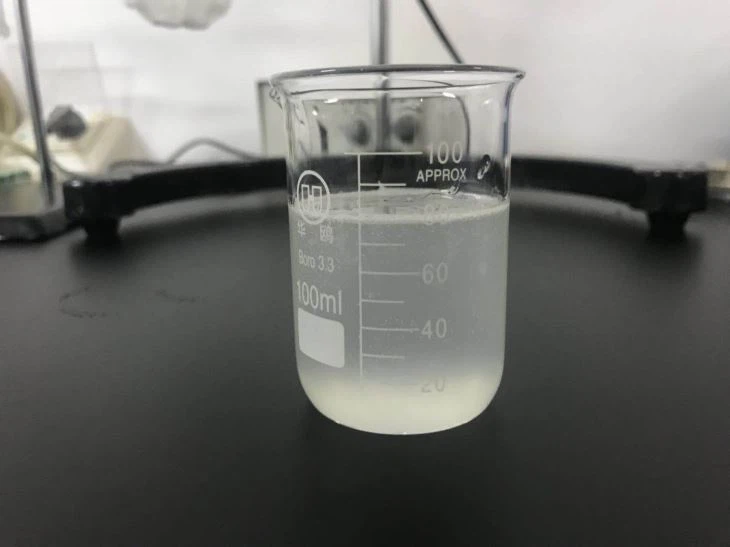
Coco glucose is characterized by its high solubility in water, low toxicity, and good compatibility with other ingredients. It is commonly used in personal care products such as shampoos, body washes, and facial cleansers because of its ability to create a rich, creamy lather while being gentle on the skin.
Syrups: Composition and Requirements
Syrups are concentrated solutions of sugar in water, often with added flavorings, acids, and other ingredients. They are used in a wide range of applications, including food and beverage, pharmaceuticals, and cosmetics. The key requirements for a syrup include stability, appropriate viscosity, and a pleasant taste or sensory profile.
In the food industry, syrups need to meet strict safety and quality standards. They should be free from harmful substances and have a long shelf - life. In the cosmetic and pharmaceutical industries, syrups may need to have specific rheological properties to ensure proper application and effectiveness.
Can Coco Glucose be Used in Making Syrups?
Advantages
-
Emulsification and Solubilization: Coco glucose has emulsifying and solubilizing properties. In a syrup, it can help to keep oil - based flavorings or other insoluble ingredients evenly dispersed in the aqueous phase. This is particularly useful when formulating syrups with essential oils or other hydrophobic components. For example, in a fruit - flavored syrup with added natural essential oils, coco glucose can prevent the oils from separating and floating to the surface.
-
Mildness and Safety: Since coco glucose is a natural and mild ingredient, it can be a suitable choice for syrups used in products that come into contact with sensitive areas, such as oral syrups in pharmaceuticals or edible syrups in the food industry. It is less likely to cause irritation or allergic reactions compared to some synthetic surfactants.
-
Foaming and Sensory Enhancement: The foaming property of coco glucose can add a unique sensory experience to syrups. In some applications, such as carbonated syrups or syrups used in whipped desserts, the ability to create a stable foam can enhance the overall product appeal.
-
Biodegradability and Sustainability: In an era where consumers are increasingly concerned about environmental impact, the biodegradability of coco glucose is a significant advantage. Using coco glucose in syrups can make the product more sustainable, which may be an attractive selling point for environmentally - conscious consumers.
Challenges
- Taste and Odor: Coco glucose has its own characteristic odor, which may not be desirable in all syrup applications. In food and beverage syrups, even a slight off - flavor or odor can significantly affect the product's acceptability. Manufacturers may need to carefully balance the amount of coco glucose used or use flavor - masking agents to overcome this issue.
- Regulatory Considerations: Although coco glucose is generally recognized as safe, different countries and industries may have specific regulations regarding its use in syrups. For example, in the food industry, the maximum allowable concentration of coco glucose may be strictly regulated to ensure food safety.
- Cost: Compared to some traditional ingredients used in syrups, coco glucose can be relatively expensive. This cost factor may limit its widespread use, especially in high - volume, low - cost syrup production.
Applications of Coco Glucose in Syrups
Food and Beverage Industry
In the food and beverage industry, coco glucose can be used in a variety of syrups. For example, it can be added to fruit syrups to improve the dispersion of flavor oils and enhance the texture. In carbonated beverage syrups, coco glucose can help to create a more stable foam and improve the mouthfeel.
Cosmetic and Pharmaceutical Industry
In the cosmetic industry, syrups are often used in products such as hair serums or skin toners. Coco glucose can be used to solubilize essential oils or other active ingredients in these syrups, ensuring a homogeneous product. In the pharmaceutical industry, oral syrups may benefit from the mildness and emulsifying properties of coco glucose, especially when formulating syrups for children or patients with sensitive stomachs.
Case Studies
Let's take a look at some real - world examples of using coco glucose in syrups. A small - scale artisanal food producer decided to use coco glucose in their fruit - flavored syrups. By adding a small amount of Decyl Glucoside APG 2000UP, they were able to achieve a more stable emulsion of the natural fruit oils in the syrup. The resulting syrup had a more consistent flavor and a smoother texture, which was well - received by their customers.
In the cosmetic industry, a high - end skincare brand incorporated coco glucose into their facial serum syrup. The coco glucose helped to solubilize the plant - based active ingredients, making the serum more effective and easier to apply. The product's sales increased due to its improved performance and the brand's emphasis on using natural and sustainable ingredients.
Conclusion
In conclusion, coco glucose can indeed be used in making syrups, offering several advantages such as emulsification, mildness, and sensory enhancement. However, there are also challenges such as taste, regulatory issues, and cost that need to be addressed.
As a coco glucose supplier, we understand the unique properties of coco glucose and its potential in syrup applications. We offer a range of high - quality coco glucose products, such as Decyl Glucoside APG 2000UP, which can be tailored to meet the specific needs of different syrup formulations.
If you are interested in exploring the use of coco glucose in your syrup production, we encourage you to contact us for more information and to discuss your specific requirements. Our team of experts is ready to provide you with technical support and guidance to help you achieve the best results in your syrup formulations.
References
- "Surfactants in Cosmetics" by Marie - Pierre Savey.
- "Food Additives: Properties, Applications, and Regulations" by Fereidoon Shahidi.
- Industry reports on the use of natural surfactants in various industries.