




Can decyl glucoside be used in dishwashing liquids? Well, let me tell you, as a decyl glucoside supplier, I've got some insights to share on this topic.
First off, what exactly is decyl glucoside? It's a type of non - ionic surfactant that's derived from natural sources, usually from fatty alcohols and glucose. This makes it a pretty eco - friendly option compared to some of the harsher chemicals out there.
When it comes to dishwashing liquids, there are a few key things we need to consider: cleaning power, safety, and environmental impact.
Let's start with cleaning power. Dishwashing liquids need to be able to cut through grease, oil, and food residues on our plates, pots, and pans. Decyl glucoside is great at this. It has excellent surface - active properties, which means it can reduce the surface tension of water. This allows water to spread more easily over the dirty dishes and helps to break up and remove the grease and grime. For example, when you pour a little bit of a dishwashing liquid containing decyl glucoside into a sink full of soapy water, you'll notice that the water quickly wets the dishes and starts to lift away the dirt. It forms a nice, stable foam that helps to hold the dirt particles in suspension until you rinse them away.
Now, let's talk safety. One of the biggest concerns with dishwashing liquids is that they come into direct contact with our hands. We don't want something that's going to irritate our skin or cause any long - term health problems. Decyl glucoside is known for its mildness. It has a low irritation potential, which is a huge plus. It's even suitable for people with sensitive skin. Unlike some traditional surfactants that can strip the natural oils from our skin and leave it dry and itchy, decyl glucoside is more gentle. It won't cause that burning or stinging sensation that you might get from harsher chemicals. And since we're using it to clean our dishes, which are then used to hold our food, safety is of utmost importance. Decyl glucoside is non - toxic and biodegradable, so it's not going to leave any harmful residues on our dishes that could end up in our food.
The environmental impact is also a crucial factor. In today's world, we're all becoming more aware of the need to be sustainable. Decyl glucoside scores high in this area. It's made from renewable resources. The fatty alcohols can be sourced from coconut or palm kernel oil, and glucose is a simple sugar. This means that it's a more sustainable option compared to surfactants that are derived from petroleum. Also, as I mentioned earlier, it's biodegradable. When it goes down the drain, it breaks down relatively quickly in the environment, reducing its impact on waterways and ecosystems.
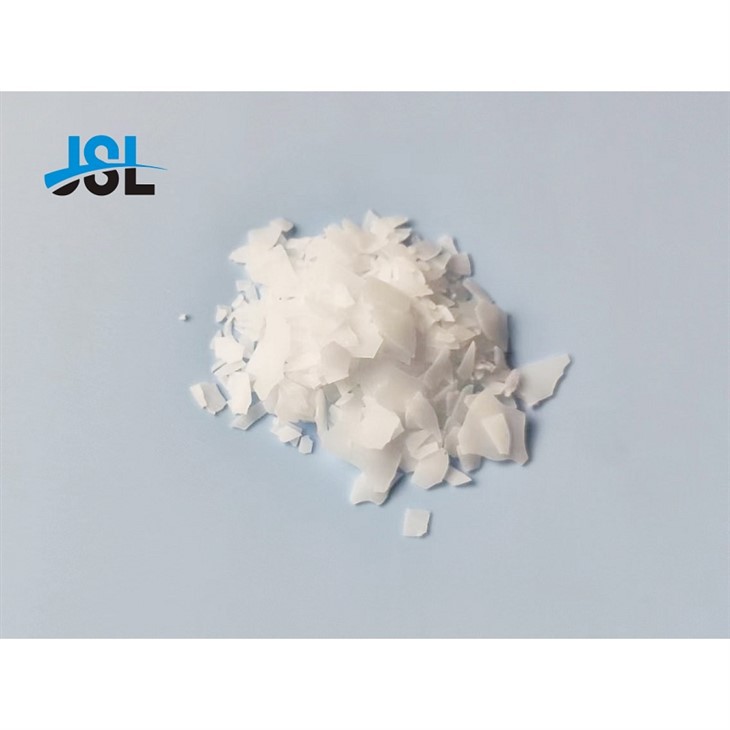
There are different types of decyl glucoside products available. For example, you can check out Caprylyl/Decyl Glucoside APG215 CS UP, APG 0810H60/220/decyl Glucoside/CAS:68515 - 73 - 1, and APG 0810H70DK/decyl Glucoside/CAS:68515 - 73 - 1/225DK. These products have slightly different properties and can be used in different formulations depending on the specific requirements of the dishwashing liquid.
In the formulation of dishwashing liquids, decyl glucoside can be used on its own or in combination with other surfactants. When used in combination, it can enhance the performance of the overall product. For example, it can work well with other natural surfactants to create a more effective and mild dishwashing liquid. It can also be used to adjust the viscosity and foam properties of the liquid. If you want a thicker and more luxurious - feeling dishwashing liquid, you can use decyl glucoside in the right proportion to achieve that.
Some might argue that decyl glucoside might not be as effective as some of the more traditional surfactants in extremely greasy situations. But in most everyday dish - washing scenarios, it does a more than adequate job. And with the right formulation and combination of ingredients, it can be just as powerful.
Another aspect to consider is the cost. While decyl glucoside might be a bit more expensive than some of the cheaper, synthetic surfactants, the benefits in terms of safety and environmental impact often outweigh the cost difference. Plus, as more and more consumers are demanding eco - friendly and safe products, using decyl glucoside in dishwashing liquids can be a selling point for manufacturers.
In conclusion, decyl glucoside is definitely a great option for use in dishwashing liquids. It has the cleaning power, safety, and environmental friendliness that we look for in a good dish - washing product. Whether you're a manufacturer looking to develop a new line of dishwashing liquids or a consumer looking for a safer and more sustainable option, decyl glucoside is worth considering.
If you're interested in purchasing decyl glucoside for your dishwashing liquid production or have any questions about our products, feel free to get in touch with us for a procurement discussion. We're always happy to help you find the right solution for your needs.
References:
- Surfactant Science and Technology, Third Edition by Milton J. Rosen and Dennis L. Kunjappu
- Handbook of Detergents, Part F: Production by Michael S. Showell