


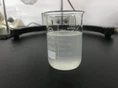

As a supplier of APG 1214, I often encounter inquiries from customers regarding the potential side - effects of this product. APG 1214, also known as APG 1214/lauryl Glucoside/CAS:110615 - 47 - 9, is a widely used non - ionic surfactant with a range of applications in various industries, including personal care, household cleaning, and industrial cleaning.

Chemical Properties and Characteristics of APG 1214
APG 1214 belongs to the class of alkyl polyglucosides (APGs). These are derived from renewable raw materials, typically fatty alcohols and glucose. The fatty alcohols in APG 1214 have a carbon chain length mainly in the range of C12 - C14. This composition gives APG 1214 several advantageous properties such as high biodegradability, low toxicity, and excellent surface - active performance.
One of the key features that make APG 1214 popular is its mildness. Compared to some traditional surfactants, it is less likely to cause irritation to the skin and eyes. This is due to its unique chemical structure. The glucose moiety in the molecule is hydrophilic, while the fatty alcohol chain is hydrophobic. This structure allows it to effectively reduce the surface tension of water, enabling it to perform well in cleaning and emulsifying tasks without being overly harsh.
Side - effects in Different Applications
Personal Care Products
In personal care products such as shampoos, body washes, and facial cleansers, APG 1214 is often used as a primary or co - surfactant. In general, it has a good safety profile. However, in rare cases, some individuals with extremely sensitive skin may experience mild skin irritation. This could manifest as redness, itching, or a slight burning sensation.
The incidence of such reactions is very low. Most people can use products containing APG 1214 without any adverse effects. The mildness of APG 1214 makes it suitable for formulating products for sensitive skin. For example, Lauryl Glucoside 1200UP is a specific grade of APG 1214 that is often used in high - end personal care formulations, where its mildness is highly valued.
Household Cleaning Products
When used in household cleaning products like dishwashing liquids, laundry detergents, and all - purpose cleaners, APG 1214 is generally considered safe. Its low toxicity means that accidental ingestion in small amounts is unlikely to cause serious harm. However, if a large quantity is ingested, it may cause nausea, vomiting, or diarrhea.
Inhalation of APG 1214 aerosols or mists during the use of spray - type cleaning products could potentially cause respiratory irritation in some individuals. This is more likely to occur in poorly ventilated areas or when using the product in an improper manner. To minimize such risks, it is recommended to use cleaning products in well - ventilated spaces and follow the usage instructions carefully.
Industrial Applications
In industrial settings, APG 1214 is used in various processes such as metal cleaning, textile processing, and agricultural formulations. Workers handling APG 1214 in large quantities may be at a slightly higher risk of exposure. Prolonged skin contact may lead to defatting of the skin, which can cause dryness and cracking.
Eye contact can also be a concern. If APG 1214 gets into the eyes, it may cause irritation, redness, and temporary vision impairment. Appropriate personal protective equipment (PPE) such as gloves and safety goggles should be worn when handling APG 1214 in industrial applications to prevent such side - effects.
Factors Affecting the Occurrence of Side - effects
Several factors can influence whether side - effects occur when using APG 1214.
Concentration
The concentration of APG 1214 in a product plays a significant role. Higher concentrations are more likely to cause irritation. For example, in a personal care product, a formulation with a very high percentage of APG 1214 may be more irritating to the skin than one with a lower concentration. Manufacturers usually optimize the concentration of APG 1214 in their products to balance performance and safety.
Individual Sensitivity
As mentioned earlier, individual sensitivity varies greatly. Some people have naturally more sensitive skin or respiratory systems. Genetic factors, pre - existing skin conditions, and previous exposure to other chemicals can all affect an individual's susceptibility to side - effects from APG 1214.
Duration and Frequency of Exposure
Prolonged or frequent exposure to APG 1214 can increase the likelihood of side - effects. For instance, workers in industrial plants who are constantly in contact with APG 1214 over long periods are more likely to experience skin or respiratory problems compared to occasional users of household cleaning products.
Safety Measures and Mitigation Strategies
Product Formulation
Manufacturers can take steps to minimize the potential side - effects of APG 1214 in their products. This includes formulating with appropriate concentrations, adding soothing agents such as aloe vera or chamomile extracts in personal care products, and using buffering agents to maintain a suitable pH level.
User Education
For consumers, it is important to read and follow the product labels carefully. This includes information on proper usage, storage, and first - aid measures in case of accidental exposure. For industrial workers, comprehensive training programs should be provided to ensure they understand the risks associated with APG 1214 and know how to use appropriate PPE.
Conclusion
Overall, APG 1214 is a relatively safe and environmentally friendly surfactant. Its side - effects are generally mild and occur in a small percentage of cases. In personal care, household, and industrial applications, it offers a good balance between performance and safety.
If you are interested in purchasing high - quality APG 1214 or Lauryl Glucoside 1200UP for your business, we are here to provide you with the best products and services. Feel free to contact us for more information and to start a procurement negotiation.
References
- "Alkyl Polyglucosides: Properties, Applications, and Environmental Impact" - Journal of Surfactants and Detergents
- "Safety Assessment of Alkyl Polyglucosides in Cosmetics" - International Journal of Toxicology
- "Industrial Applications of Alkyl Polyglucosides" - Industrial & Engineering Chemistry Research