



Hey there! As a supplier of lauryl glucose, I'm super stoked to chat with you about the safety regulations surrounding this amazing product. Lauryl glucose, also known as lauryl glucoside, is a widely used surfactant in various industries, including cosmetics, household cleaning, and personal care products. It's derived from natural sources like coconut and glucose, which makes it a popular choice for those who are looking for more eco - friendly and gentle alternatives.
General Safety Profile
First off, lauryl glucose is generally considered to be a safe ingredient. It has a low toxicity level, which means it's less likely to cause harm to humans and the environment compared to some other chemical surfactants. In fact, it's biodegradable, so it breaks down naturally over time without leaving behind harmful residues.
One of the great things about lauryl glucose is its mildness. It's often used in products for sensitive skin because it doesn't strip the skin of its natural oils or cause irritation. This is a huge plus for people who have skin conditions like eczema or dermatitis.
Handling and Storage
When it comes to handling lauryl glucose, there are some important safety regulations to keep in mind. First, always wear appropriate personal protective equipment (PPE) when working with it. This includes gloves, goggles, and a lab coat. The gloves will protect your hands from direct contact with the product, which can prevent any potential skin irritation. Goggles are essential to protect your eyes in case of splashes.
In terms of storage, lauryl glucose should be kept in a cool, dry place away from direct sunlight. It's important to store it in a tightly sealed container to prevent any contamination. Also, make sure to keep it away from heat sources and open flames because, although it's not highly flammable, it's always better to be safe than sorry.
Transportation
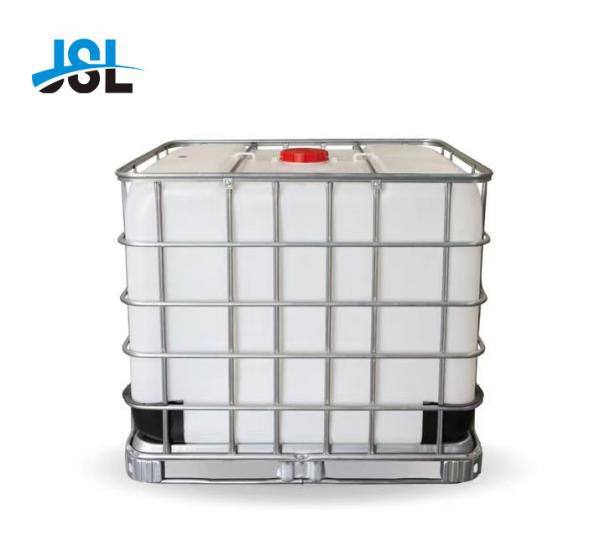
Transporting lauryl glucose also has its own set of safety rules. The product should be shipped in approved containers that are designed to prevent leaks and spills. These containers are usually made of materials that are resistant to the chemical properties of lauryl glucose.
During transportation, it's crucial to ensure that the containers are properly labeled. The labels should clearly state the name of the product, its hazards (if any), and the necessary handling instructions. This helps the transportation workers to handle the product safely and also provides important information in case of an emergency.

Regulatory Compliance
There are several regulatory bodies that oversee the safety of lauryl glucose. In the United States, the Environmental Protection Agency (EPA) and the Food and Drug Administration (FDA) have guidelines regarding the use and safety of this product. The EPA focuses on its environmental impact, while the FDA is more concerned with its use in food, drugs, and cosmetics.
In the European Union, the REACH (Registration, Evaluation, Authorization and Restriction of Chemicals) regulation plays a major role in ensuring the safety of lauryl glucose. Manufacturers and suppliers are required to register the product and provide detailed information about its properties, uses, and potential risks.
Our Products
As a supplier, we offer high - quality lauryl glucose products. For example, our Lauryl Glucoside 1200UP is a top - notch product that meets all the safety regulations. It's suitable for a wide range of applications, from making natural shampoos to eco - friendly dishwashing liquids.
We also have APG 1214/lauryl Glucoside/CAS:110615 - 47 - 9, which is another great option. This product is known for its excellent foaming properties and its ability to work well in both hard and soft water.
And don't forget about our APG 1214/lauryl Glucoside/CAS:110615 - 47 - 9, which is produced in our state - of - the - art factory with strict quality control measures to ensure its safety and effectiveness.
Contact Us for Purchase
If you're in the market for lauryl glucose, we'd love to hear from you. Whether you're a small - scale producer of natural cosmetics or a large - scale manufacturer of household cleaning products, we can provide you with the right amount of lauryl glucose at a competitive price. Just reach out to us, and we'll be more than happy to discuss your specific needs and provide you with a quote.
References
- "Surfactants and Detergents: A Theoretical and Applied Approach" by Drew Myers
- EPA regulations on chemical surfactants
- REACH regulation documentation
- FDA guidelines on the use of surfactants in food, drugs, and cosmetics