





Hey there! As a supplier of APG 70, I often get asked this question: "Does APG 70 have data storage capabilities?" Well, let's dive right into it and break it down.
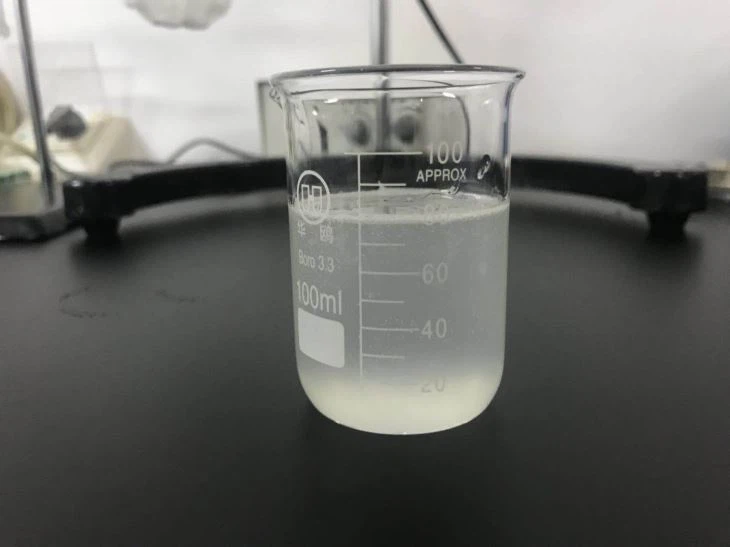
First off, let's talk a bit about what APG 70 actually is. APG, or Alkyl Polyglucoside, is a type of non - ionic surfactant that's widely used in various industries. It's known for its excellent environmental profile, being biodegradable and having low toxicity. Our APG 70 is a high - quality product that has a lot of applications, from personal care products like shampoos and body washes to household cleaning agents.
Now, when it comes to data storage capabilities, APG 70 is a chemical compound, not a digital device. So, in the traditional sense of storing digital data like your photos, videos, or documents on a hard drive or a cloud server, APG 70 doesn't have those capabilities at all. It's used in physical and chemical processes, not in the digital realm.
But you might be thinking, "Is there any way that APG 70 could be related to data storage in some indirect way?" Well, let's explore a few scenarios.
In the manufacturing of electronic components, there are some cleaning processes involved. APG 70, with its good cleaning properties, can be used in these processes. For example, when making microchips, the components need to be cleaned thoroughly to ensure proper functionality. APG 70 can help remove dirt, grease, and other contaminants from these tiny parts. And since these microchips are essential for data storage devices like solid - state drives (SSDs) and hard disk drives (HDDs), in a very roundabout way, APG 70 is contributing to the overall data storage ecosystem.
Another aspect is in the development of new materials for data storage. Researchers are constantly looking for new and better materials to store data more efficiently and with higher capacity. While APG 70 itself isn't a data - storage material, its properties might inspire new research. For instance, its biodegradability and low - toxicity could be factors considered in the development of more environmentally friendly data - storage solutions.
Let's take a look at some of the other APG products we offer. We have the APG 0810H65/decyl Glucoside/CAS:68515 - 73 - 1, which is also a popular choice in the market. It has similar properties to APG 70 but might be more suitable for certain applications. And then there's the Caprylyl/Decyl Glucoside APG215 CS UP, which has its own unique features. And don't forget the APG 0810H60/220/decyl Glucoside/CAS:68515 - 73 - 1, which is another great option for different industries.
In the personal care industry, APG 70 is a game - changer. It provides a gentle cleaning action, which is great for sensitive skin. Many consumers are now more conscious about the ingredients in their personal care products, and APG 70 fits the bill perfectly. It doesn't cause irritation like some other harsh surfactants, and it also has good foaming properties, which gives a nice user experience.
In the household cleaning sector, APG 70 is used in dishwashing liquids, laundry detergents, and all - purpose cleaners. It can break down grease and dirt effectively, and its biodegradability means that it won't harm the environment when it goes down the drain.
So, to sum it up, APG 70 doesn't have direct data storage capabilities. But it plays an important role in the industries that support data storage, whether it's through cleaning electronic components or potentially inspiring new research.
If you're in the market for high - quality APG products, we're here to help. Whether you're a manufacturer of personal care products, household cleaners, or involved in the electronics industry, we can provide you with the right APG solution. If you're interested in learning more or starting a purchase negotiation, feel free to reach out to us. We're always happy to have a chat and see how we can meet your needs.
References
- Surfactant Handbook: A Comprehensive Guide to Surfactant Chemistry and Applications
- Journal of Environmental Chemistry and Toxicology (articles related to biodegradable surfactants)