


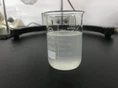

As a reliable supplier of APG 1214, I often receive inquiries regarding various aspects of this product, and one of the most frequently asked questions is about its storage temperature range. Understanding the appropriate storage temperature for APG 1214 is crucial as it directly impacts the product's quality, stability, and shelf - life. In this blog post, I'll delve into the details of the storage temperature range for APG 1214 and explain why it matters.

The Basics of APG 1214
APG 1214, also known as Lauryl Glucoside (CAS:110615 - 47 - 9), is a non - ionic surfactant derived from renewable raw materials such as fatty alcohols and glucose. It is widely used in the personal care, household cleaning, and industrial sectors due to its excellent biodegradability, low toxicity, and mildness to the skin. You can find more detailed information about APG 1214 on these websites: APG 1214/lauryl Glucoside/CAS:110615 - 47 - 9 and APG 1214/lauryl Glucoside/CAS:110615 - 47 - 9.
Ideal Storage Temperature Range
The recommended storage temperature range for APG 1214 is typically between 5°C and 35°C (41°F and 95°F). This range is carefully determined based on the physical and chemical properties of the product.
Lower Temperature Limit (5°C)
At temperatures below 5°C, APG 1214 may start to solidify or form crystals. This is because the solubility of the surfactant in water decreases as the temperature drops. When APG 1214 solidifies, it can cause difficulties in handling and dispensing. For example, it may clog pipes or pumps in manufacturing processes. Additionally, the formation of crystals can potentially affect the product's homogeneity, leading to inconsistent performance when used in formulations. Once the product has solidified, it needs to be gradually warmed up to the appropriate temperature range to return it to its normal liquid state. However, repeated cycles of freezing and thawing can also have a negative impact on the product's quality over time.
Upper Temperature Limit (35°C)
On the other hand, storing APG 1214 at temperatures above 35°C can also pose problems. High temperatures can accelerate chemical reactions, such as hydrolysis. Hydrolysis of APG 1214 can lead to the breakdown of the surfactant molecules, resulting in a decrease in its surface - active properties. This can cause issues in applications where APG 1214 is used as an emulsifier, foaming agent, or detergent. Moreover, high temperatures can increase the volatility of any impurities or solvents present in the product, potentially leading to changes in its composition and quality.
Impact of Improper Storage Temperature
If APG 1214 is stored outside the recommended temperature range for an extended period, several negative consequences can occur.
Quality Degradation
As mentioned earlier, extreme temperatures can cause physical and chemical changes in APG 1214. The product may lose its clarity, become hazy, or develop an off - odor. These changes are clear signs of quality degradation and can make the product less suitable for its intended applications. For example, in personal care products, a degraded APG 1214 may cause skin irritation or reduce the foaming and cleansing performance of the product.
Reduced Shelf - Life
Improper storage temperature can significantly reduce the shelf - life of APG 1214. The normal shelf - life of APG 1214 under proper storage conditions is usually around 12 to 24 months. However, if stored at high or low temperatures, the product may start to deteriorate more quickly, reducing its usable lifespan. This means that manufacturers and end - users may need to replace the product more frequently, increasing costs.
Best Practices for Storage
To ensure the quality and stability of APG 1214, it is essential to follow these best practices for storage:
- Use Temperature - Controlled Storage Facilities: Warehouses or storage areas should be equipped with temperature - control systems to maintain the temperature within the recommended range. This can be achieved through the use of heaters, air conditioners, or insulation.
- Monitor Temperature Regularly: Install temperature sensors in the storage area and check the temperature readings regularly. This allows for early detection of any temperature fluctuations and enables prompt corrective actions to be taken.
- Avoid Direct Sunlight and Heat Sources: Store APG 1214 away from direct sunlight and heat sources such as radiators or heaters. Sunlight can increase the temperature of the product and also cause photodegradation in some cases.
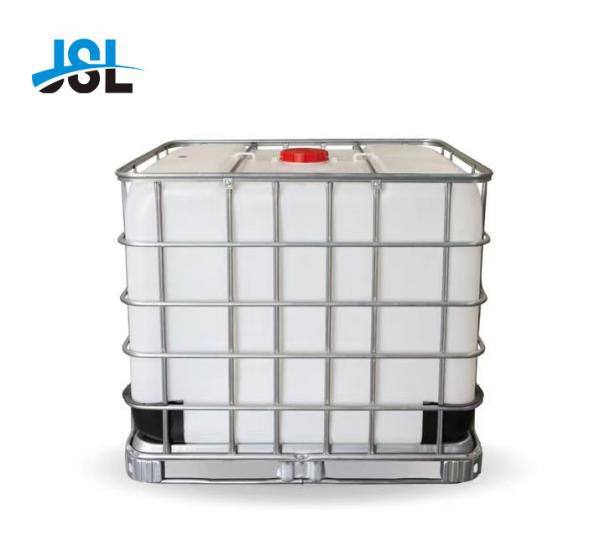
- Proper Packaging: Ensure that APG 1214 is stored in suitable packaging materials. The packaging should be resistant to temperature changes and protect the product from external factors such as moisture and air.
Other Related Products
In addition to the standard APG 1214, we also offer Lauryl Glucoside 1200UP, which has similar storage requirements. Lauryl Glucoside 1200UP is a high - quality variant of APG 1214 with enhanced performance characteristics, making it suitable for more demanding applications.
Conclusion
The storage temperature range of 5°C to 35°C is critical for maintaining the quality, stability, and performance of APG 1214. By understanding the impact of temperature on this product and following the best practices for storage, manufacturers, distributors, and end - users can ensure that they get the most out of APG 1214.
If you are interested in purchasing APG 1214 or any of our related products, we welcome you to contact us for a detailed discussion about your requirements. We are committed to providing high - quality products and excellent customer service.
References
- Literature on the physical and chemical properties of APG 1214 provided by industry research institutions.
- Product specifications and technical data sheets of APG 1214.