


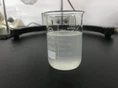


As a supplier of coco glucose, I often get asked about the various applications of this versatile ingredient. One question that has come up recently is whether coco glucose can be used in making marshmallows. In this blog post, I'll explore this question in detail and provide you with all the information you need to know.
What is coco glucose?
Coco glucose, also known as coco glucoside, is a natural surfactant derived from coconut oil and glucose. It is a mild, biodegradable, and environmentally friendly ingredient that is commonly used in personal care products, such as shampoos, body washes, and facial cleansers. Coco glucose is known for its excellent foaming properties, low irritation potential, and ability to enhance the solubility of other ingredients.


In addition to its use in personal care products, coco glucose has also found applications in the food industry. It can be used as a sweetener, emulsifier, and stabilizer in a variety of food products, including beverages, confectionery, and dairy products.
The traditional ingredients in marshmallows
Before we discuss whether coco glucose can be used in making marshmallows, let's first take a look at the traditional ingredients used in marshmallows. Marshmallows are typically made from a combination of sugar, corn syrup, gelatin, water, and flavorings.
- Sugar: Sugar is the primary sweetener in marshmallows. It provides the sweetness and helps to form the structure of the marshmallow.
- Corn syrup: Corn syrup is a thick, sweet liquid that is made from cornstarch. It helps to prevent the sugar from crystallizing and gives the marshmallow a smooth, chewy texture.
- Gelatin: Gelatin is a protein that is derived from animal collagen. It is used to give the marshmallow its structure and shape. When gelatin is mixed with water and heated, it forms a gel-like substance that holds the marshmallow together.
- Water: Water is used to dissolve the sugar, corn syrup, and gelatin and to provide the necessary moisture for the marshmallow to form.
- Flavorings: Flavorings, such as vanilla extract or fruit extracts, are added to the marshmallow to give it a pleasant taste.
Can coco glucose be used in making marshmallows?
The short answer is yes, coco glucose can be used in making marshmallows. Coco glucose has several properties that make it a suitable ingredient for marshmallows:
- Sweetness: Coco glucose is a sweetener, so it can be used to replace some or all of the sugar in the marshmallow recipe. This can help to reduce the overall sugar content of the marshmallow and make it a healthier option.
- Emulsifying properties: Coco glucose has emulsifying properties, which means it can help to mix the oil and water components in the marshmallow recipe. This can result in a more stable and uniform marshmallow structure.
- Stabilizing properties: Coco glucose can also act as a stabilizer, helping to prevent the marshmallow from collapsing or becoming too sticky. This can improve the texture and shelf life of the marshmallow.
However, there are a few things to keep in mind when using coco glucose in making marshmallows:
- Texture: Coco glucose may affect the texture of the marshmallow. It may make the marshmallow slightly softer or stickier than a traditional marshmallow made with sugar and corn syrup. You may need to adjust the recipe or cooking time to achieve the desired texture.
- Flavor: Coco glucose has a slightly different flavor than sugar, so it may affect the taste of the marshmallow. You may need to experiment with different flavorings or adjust the amount of coco glucose used to achieve the desired flavor.
- Availability: Coco glucose may not be as readily available as sugar and corn syrup. You may need to source it from a specialty food supplier or online retailer.
A sample recipe for marshmallows using coco glucose
Here is a sample recipe for marshmallows using coco glucose:
Ingredients
- 1/2 cup coco glucose (you can find APG 0814N/425N/coco Glucoside/CAS:141464-42-8 or APG 0814/coco Glucoside/CAS:141464-42-8 from our product range)
- 1/2 cup water
- 1/4 cup unflavored gelatin
- 1/2 cup granulated sugar
- 1/4 cup light corn syrup
- 1/2 teaspoon vanilla extract
- Confectioners' sugar, for dusting
Instructions
- In a small bowl, sprinkle the gelatin over the water and let it sit for 5 minutes to soften.
- In a medium saucepan, combine the coco glucose, granulated sugar, and corn syrup. Stir well to combine.
- Place the saucepan over medium heat and bring the mixture to a boil. Stir constantly to prevent the sugar from burning.
- Once the mixture reaches a boil, stop stirring and let it cook for 3-4 minutes, or until the temperature reaches 240°F (115°C) on a candy thermometer.
- Remove the saucepan from the heat and slowly pour the hot sugar mixture over the softened gelatin. Use an electric mixer on high speed to beat the mixture for 10-12 minutes, or until it is fluffy and tripled in volume.
- Add the vanilla extract to the marshmallow mixture and continue to beat for another 1-2 minutes, or until the extract is well incorporated.
- Grease a 9x13-inch baking pan with cooking spray or butter. Pour the marshmallow mixture into the pan and spread it out evenly.
- Let the marshmallows cool and set for at least 2 hours, or until they are firm to the touch.
- Once the marshmallows are set, dust them with confectioners' sugar. Use a sharp knife to cut the marshmallows into squares.
Conclusion
In conclusion, coco glucose can be used in making marshmallows. It can provide sweetness, emulsifying properties, and stabilizing properties, which can help to create a delicious and unique marshmallow. However, it may affect the texture and flavor of the marshmallow, so you may need to experiment with different recipes and cooking times to achieve the desired results.
If you're interested in using coco glucose in your marshmallow production or other food applications, I encourage you to contact us for more information. We are a leading supplier of high-quality coco glucose products, such as APG 0814N/425N/coco Glucoside/CAS:141464-42-8, Decyl Glucoside APG 2000UP, and APG 0814/coco Glucoside/CAS:141464-42-8. Our team of experts can provide you with technical support and guidance to help you incorporate coco glucose into your recipes successfully.
References
- "Marshmallow Recipe." The Spruce Eats.
- "Coco Glucoside: A Natural Surfactant." Personal Care Formulation.
- "Food Applications of Coco Glucoside." Food Ingredients 101.