





Yo, what's up! I'm an alkyl glucoside supplier, and today I wanna chat about how alkyl glucoside affects the elasticity of polymers. It's a pretty interesting topic, and I think you'll find it useful if you're into polymers or just curious about how different chemicals interact.
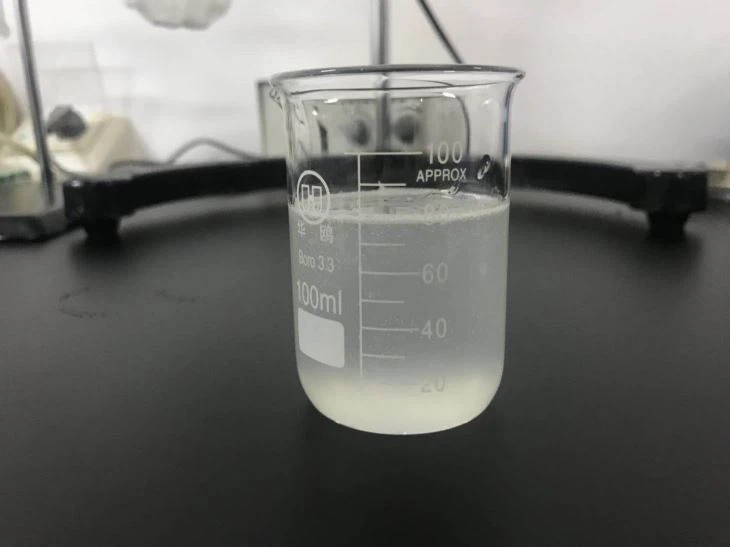
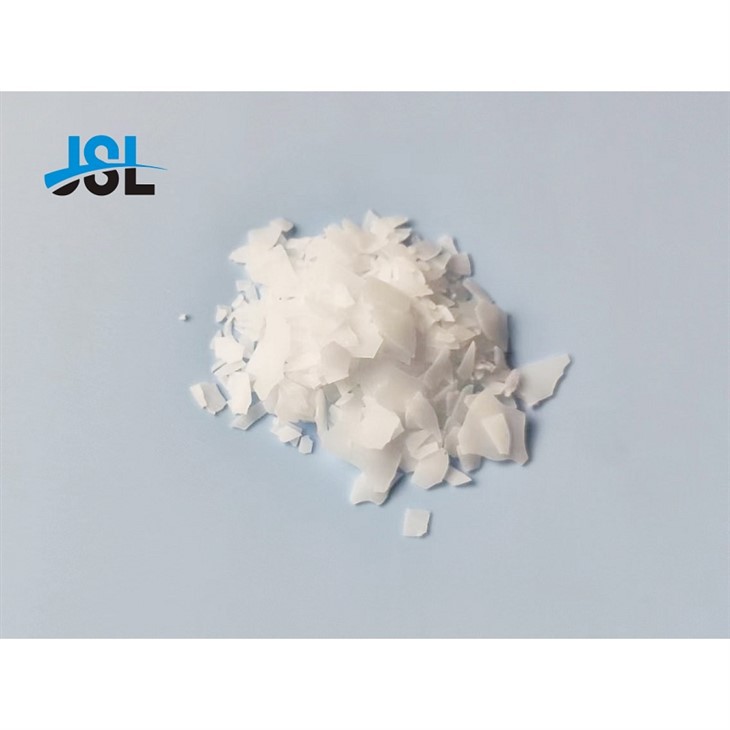
First off, let's talk a bit about what alkyl glucoside is. It's a type of non - ionic surfactant that's made from natural raw materials like fatty alcohols and glucose. It's known for being biodegradable, mild, and having good foaming properties. We've got some really great products, like Caprylyl/Decyl Glucoside APG 8170, APG 0810H70BG/decyl Glucoside/CAS:68515 - 73 - 1/BG - 10, and Caprylyl/Decyl Glucoside APG215 CS UP. These are high - quality alkyl glucosides that can be used in a bunch of different applications.
Now, let's get into how alkyl glucoside impacts the elasticity of polymers. Polymers are these big molecules made up of repeating units. Their elasticity is super important, as it determines how well they can stretch and then go back to their original shape. This property is crucial in many industries, like rubber manufacturing, plastics, and even in the production of some types of adhesives.
One of the main ways alkyl glucoside affects polymer elasticity is through its ability to act as a plasticizer. A plasticizer is a substance that's added to a polymer to make it more flexible. When alkyl glucoside is added to a polymer matrix, it can insert itself between the polymer chains. This reduces the intermolecular forces between the chains, allowing them to slide past each other more easily.
For example, in a rubber polymer, the addition of alkyl glucoside can make the rubber more stretchy. Without it, the rubber might be too stiff and break easily when you try to stretch it. But with the right amount of alkyl glucoside, the rubber can be stretched to a greater extent and still return to its original form. This is really useful in things like rubber bands or tires, where you need the material to be able to withstand repeated stretching and contraction.
Another aspect is the compatibility of alkyl glucoside with different polymers. Not all additives work well with every polymer. But alkyl glucoside has good compatibility with a wide range of polymers, including some common ones like polyethylene and polypropylene. This means that it can be used in many different polymer - based products without causing any major issues like phase separation or reduced mechanical properties.
The concentration of alkyl glucoside also plays a big role. If you add too little, you might not see much of an effect on the polymer's elasticity. But if you add too much, it can actually have a negative impact. For instance, it might make the polymer too soft and lose its structural integrity. So, finding the right dosage is key.
In some cases, alkyl glucoside can also improve the dispersion of other additives in the polymer. Some polymers need other additives, like fillers or colorants, to achieve the desired properties. But these additives can sometimes clump together, which can affect the overall performance of the polymer. Alkyl glucoside can help break up these clumps and ensure a more uniform distribution of the additives. This, in turn, can have a positive effect on the polymer's elasticity and other properties.
Let's take a look at some real - world examples. In the production of flexible plastic films, alkyl glucoside can be added to make the films more elastic. These films are used in food packaging, where they need to be able to wrap around products tightly and then maintain their shape. The addition of alkyl glucoside can improve the film's ability to stretch around irregularly shaped items without tearing.
In the adhesives industry, elasticity is important for ensuring a good bond. An adhesive that's too stiff might not be able to conform to the surfaces it's bonding, leading to a weak bond. By adding alkyl glucoside to the adhesive polymer, the adhesive can become more elastic and better able to fill in gaps and adhere to different surfaces.
Now, you might be wondering about the environmental impact. Well, one of the great things about alkyl glucoside is that it's environmentally friendly. As a biodegradable substance, it doesn't stay in the environment for a long time. This is a huge advantage compared to some other traditional plasticizers that can be harmful to the environment.
If you're in an industry that uses polymers and you're looking to improve the elasticity of your products, alkyl glucoside could be the solution you've been searching for. Our products, like Caprylyl/Decyl Glucoside APG 8170, APG 0810H70BG/decyl Glucoside/CAS:68515 - 73 - 1/BG - 10, and Caprylyl/Decyl Glucoside APG215 CS UP, are of the highest quality and can be tailored to your specific needs.
If you're interested in learning more or want to discuss a potential purchase, don't hesitate to reach out. We're always happy to have a chat about how our alkyl glucoside products can benefit your polymer - based applications. Whether you're a small - scale manufacturer or a large - scale industrial company, we've got the right solution for you.
References
- Smith, J. (2018). "Polymer Additives: Principles and Applications". Publisher: ABC Press.
- Johnson, M. (2019). "Surfactants in Polymer Systems". Journal of Polymer Science, Vol. 25, Issue 3.
- Brown, R. (2020). "Environmental Impact of Biodegradable Additives in Polymers". Green Chemistry Research, Vol. 12, Issue 1.