



Hey there! As a supplier of APG1214, I've been getting a ton of questions lately about its market prospect. So, I thought I'd sit down and share my thoughts on this hot topic.
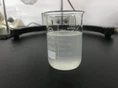
First off, let's talk about what APG1214 actually is. APG1214, also known as APG 1214/lauryl Glucoside/CAS:110615-47-9, is an alkyl polyglucoside. It's a type of non - ionic surfactant that's derived from renewable raw materials like fatty alcohols and glucose. This makes it not only effective but also environmentally friendly, which is a huge plus in today's market.
The Current Market Situation
The demand for eco - friendly and sustainable products has been on the rise in recent years. Consumers are becoming more conscious about the environmental impact of the products they use, whether it's in their homes, personal care, or industrial applications. APG1214 fits the bill perfectly. It has excellent surface - active properties, such as good foaming, wetting, and emulsifying abilities.
In the personal care industry, APG1214 is a star ingredient. It's gentle on the skin and eyes, making it ideal for products like shampoos, body washes, and facial cleansers. People with sensitive skin are always on the lookout for products that won't cause irritation, and APG1214 - based formulations are a great solution. For example, Lauryl Glucoside 1200UP is a popular choice among personal care product manufacturers due to its high - quality and mildness.
In the household cleaning sector, there's a growing trend towards "green" cleaning products. APG1214 can be used in laundry detergents, dishwashing liquids, and all - purpose cleaners. It can effectively remove dirt and stains while being biodegradable. This is a major selling point for consumers who want to reduce their carbon footprint.

Future Market Trends
Looking ahead, I believe the market for APG1214 is only going to expand. One of the driving factors is the increasing regulations on the use of traditional surfactants. Many countries are implementing stricter environmental and safety standards, which are pushing manufacturers to look for more sustainable alternatives. APG1214 meets these requirements, so it's likely to see a surge in demand from industries that need to comply with these regulations.
Another trend is the growth of the natural and organic product market. As more consumers opt for products labeled as "natural" or "organic," APG1214 will be in high demand. It can be easily incorporated into natural product formulations, as it's derived from natural sources.
The industrial applications of APG1214 are also expected to grow. It can be used in the textile industry for dyeing and finishing processes, in the oil and gas industry for enhanced oil recovery, and in the agricultural sector for pesticide formulations. As these industries continue to develop and look for more sustainable solutions, APG1214 will have a lot of opportunities.
Competitive Edge
When it comes to competition, APG1214 has some clear advantages. Compared to traditional surfactants, it's less toxic and more biodegradable. This not only makes it better for the environment but also for human health. For example, some traditional surfactants can cause skin allergies and other health problems, while APG1214 is much gentler.
In terms of performance, APG1214 can often match or even outperform traditional surfactants. It has good compatibility with other ingredients, which means it can be easily formulated into a wide range of products. And its foaming properties are really great, which is important for many consumer products.
Challenges in the Market
Of course, no market is without its challenges. One of the main challenges for APG1214 is the cost. Currently, it's a bit more expensive to produce compared to some traditional surfactants. This can be a deterrent for some manufacturers, especially those on a tight budget. However, as the demand increases and production technology improves, I expect the cost to come down over time.
Another challenge is the lack of awareness among some consumers and manufacturers. While the trend towards eco - friendly products is growing, there are still many who are not fully aware of the benefits of APG1214. We need to do more education and promotion to let people know about its advantages.
Our Role as a Supplier
As a supplier of APG1214, we play a crucial role in the market. We need to ensure a stable supply of high - quality APG1214. We're constantly working on improving our production processes to reduce costs and increase efficiency. This way, we can offer more competitive prices to our customers.
We also need to provide excellent customer service. We work closely with our customers, whether they're small - scale personal care product makers or large industrial companies, to understand their needs and provide them with the right solutions. For example, if a customer is looking for a specific formulation of APG1214 for their product, we can help them develop it.
Conclusion
Overall, the market prospect of APG1214 looks really promising. With the increasing demand for eco - friendly and sustainable products, and the growing regulations on traditional surfactants, APG1214 is well - positioned to take advantage of these trends. Although there are some challenges like cost and awareness, I believe these can be overcome in the long run.
If you're in the business of personal care products, household cleaning, or any other industry that could benefit from APG1214, I'd love to talk to you. Whether you're looking for APG 1214/lauryl Glucoside/CAS:110615-47-9 or other related products, we can offer you high - quality solutions. Don't hesitate to reach out for more information or to start a purchase negotiation.
References
- "Surfactant Science and Technology" by Milton J. Rosen and D. C. Kunjappu
- Industry reports on the personal care and household cleaning sectors
- Research papers on the environmental impact of surfactants and the properties of APG1214