


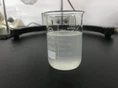

Hey there! As a supplier of APG1214, I've had a fair share of discussions with folks about how this product stacks up against its substitutes. So, I thought I'd break it down here and share my insights.
Let's start by getting a bit technical. APG1214, also known as APG 1214/lauryl Glucoside/CAS:110615-47-9, is an alkyl polyglucoside. It's made from renewable raw materials like fatty alcohols and glucose, which gives it a big edge in terms of sustainability. In today's market, more and more companies are looking for eco - friendly options, and APG1214 fits the bill perfectly.
Now, when it comes to substitutes, there are quite a few out there. Some of the common ones include traditional surfactants like sodium lauryl sulfate (SLS) and sodium laureth sulfate (SLES). These have been around for ages and are widely used in various industries, from personal care to household cleaning.
Performance Comparison
In terms of performance, APG1214 holds its own. One of the key areas where it shines is in its mildness. SLS and SLES are known to be harsh on the skin, especially for people with sensitive skin. They can cause irritation, dryness, and even allergic reactions. On the other hand, APG1214 is extremely mild. It has a low irritation potential, which makes it a great choice for products like baby shampoos, facial cleansers, and body washes.
Another aspect of performance is foaming. SLS and SLES are well - known for their high - foaming properties. They create a rich, thick lather that many consumers associate with a good cleaning product. However, APG1214 also produces a decent amount of foam. While it might not be as voluminous as SLS - based products, the foam it generates is stable and creamy. And let's not forget, excessive foaming isn't always necessary for effective cleaning.
When it comes to cleaning power, APG1214 is also quite effective. It can remove dirt, oil, and grease just as well as its substitutes. In fact, in some cases, it can be even better because it doesn't leave behind a residue. SLS and SLES can sometimes leave a film on surfaces, which might require additional rinsing.
Environmental Impact
As I mentioned earlier, APG1214 is made from renewable resources. This means it has a much lower carbon footprint compared to many of its substitutes. It's also readily biodegradable, which is a huge plus. When products containing APG1214 are washed down the drain, they break down quickly and don't accumulate in the environment.
In contrast, SLS and SLES are derived from petrochemicals. The production of these chemicals is energy - intensive and contributes to greenhouse gas emissions. Moreover, they aren't as biodegradable as APG1214. They can persist in the environment for longer periods and may have negative impacts on aquatic life.
Cost Considerations
Cost is always a factor in any purchasing decision. Historically, APG1214 has been a bit more expensive than SLS and SLES. The raw materials used in its production are more costly, and the manufacturing process is also more complex. However, the cost gap has been narrowing in recent years. As the demand for sustainable products increases, economies of scale are starting to kick in, making APG1214 more cost - competitive.
And when you factor in the long - term benefits, such as reduced risk of product recalls due to skin irritation claims and a better environmental image for your brand, the slightly higher upfront cost of APG1214 might be well worth it.
Compatibility with Other Ingredients
APG1214 is highly compatible with a wide range of other ingredients. It can be easily formulated with other surfactants, polymers, and additives. This makes it a versatile choice for formulators. For example, it can be combined with SLS or SLES in a formulation to reduce the harshness of these traditional surfactants while still maintaining good performance.
Some substitutes may have limitations when it comes to compatibility. They might react with certain ingredients, leading to instability in the product or changes in its properties. This can be a real headache for formulators, as they have to spend more time and resources to find the right combination of ingredients.
Regulatory Compliance
In today's strict regulatory environment, compliance is crucial. APG1214 meets a wide range of international regulations regarding safety and environmental protection. It's approved for use in many countries, which gives manufacturers peace of mind when using it in their products.
Some substitutes may face more regulatory scrutiny. For example, there have been concerns about the presence of 1,4 - dioxane, a potential carcinogen, in SLES. Manufacturers using SLES have to take extra steps to ensure that their products meet the required safety standards.
Another Alternative: Lauryl Glucoside 1200UP
Lauryl Glucoside 1200UP is another alternative that's closely related to APG1214. It's also an alkyl polyglucoside and shares many of the same benefits, such as mildness and sustainability. However, there are some differences.
Lauryl Glucoside 1200UP may have a different chemical composition or purity level compared to APG1214. This can result in slight differences in performance. For example, it might have a different foaming profile or solubility. The choice between APG1214 and Lauryl Glucoside 1200UP will depend on the specific requirements of the product formulation.
Conclusion
In conclusion, APG1214 offers a lot of advantages over its substitutes. Its mildness, environmental friendliness, good performance, compatibility, and regulatory compliance make it a top choice for many applications. While it may have been more expensive in the past, the cost is becoming more competitive, and the long - term benefits are significant.
If you're in the market for a high - quality, sustainable surfactant, I encourage you to consider APG1214. Whether you're a formulator looking for a new ingredient or a manufacturer looking to improve your product line, APG1214 can be a great addition. And if you have any questions or are interested in purchasing, feel free to reach out. I'd be more than happy to have a chat and discuss how APG1214 can meet your specific needs.
References
- Smith, J. (2020). "Surfactants in Personal Care Products: A Review". Journal of Cosmetic Science, 71(3), 123 - 135.
- Johnson, M. (2019). "Environmental Impact of Surfactants". Environmental Science & Technology, 53(10), 5678 - 5685.
- Brown, K. (2021). "Formulating with Alkyl Polyglucosides". International Journal of Formulation Science, 15(2), 45 - 52.