




Hey there! As a supplier of coco glucose, I often get asked how it stacks up against rhamnose. So, I thought I'd break it down in this blog post.
First off, let's talk a bit about what these two substances are. Coco glucose, also known as coco glucoside, is a type of alkyl polyglucoside. It's derived from coconut oil and glucose, and it's a popular ingredient in a whole bunch of products, especially in the personal care and cleaning industries. You can check out more about our APG 0814/coco Glucoside/CAS:141464 - 42 - 8 here and our Decyl Glucoside APG 2000UP here and APG 0814N/425N/coco Glucoside/CAS:141464 - 42 - 8 here.
On the other hand, rhamnose is a naturally - occurring deoxy sugar. It's found in a variety of plants, bacteria, and fungi. It has some unique properties that make it useful in different fields, like pharmaceuticals and food.
Chemical Structure
Let's start with the chemical side of things. Coco glucose is an alkyl polyglucoside, which means it has a sugar part (glucose) and an alkyl chain. The alkyl chain usually comes from coconut oil, and it gives coco glucose its surfactant properties. Surfactants are substances that can reduce the surface tension between two liquids or between a liquid and a solid. This makes coco glucose great for things like cleaning products because it can help to lift dirt and grease.
Rhamnose, however, is a monosaccharide. It has a simpler chemical structure compared to coco glucose. Its molecular formula is C₆H₁₂O₅. The structure of rhamnose gives it some interesting biological activities. For example, it can be involved in the formation of glycosides in plants, which are important for plant defense mechanisms.
Physical Properties
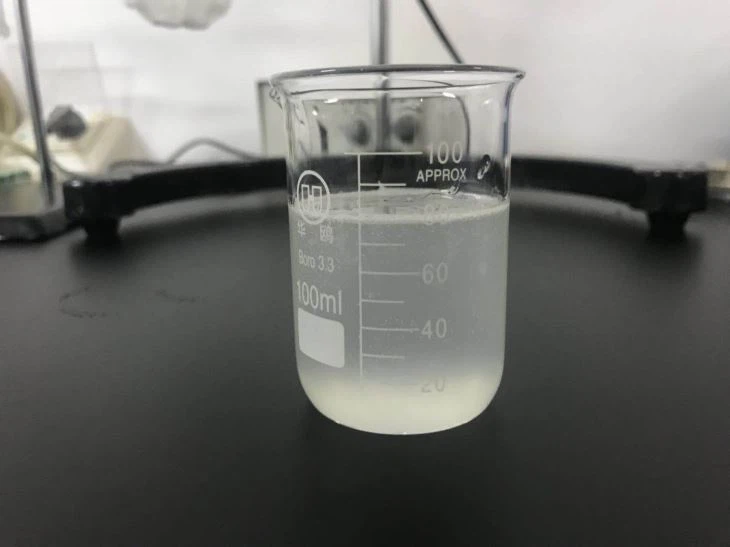
In terms of physical properties, coco glucose is usually a clear to slightly yellowish liquid. It's soluble in water, which is really handy for formulating products like shampoos, body washes, and dish - washing liquids. It also has a relatively low viscosity, which means it flows easily. This makes it easy to work with during the manufacturing process.
Rhamnose, on the other hand, is a white crystalline powder. It's also soluble in water, but its solubility characteristics are different from coco glucose. The fact that it's a solid at room temperature means that it might need to be dissolved in a solvent before it can be used in certain applications.
Applications
Personal Care
Coco glucose is a superstar in the personal care industry. Because it's a mild surfactant, it's great for products that come into contact with our skin and hair. Shampoos made with coco glucose are gentle on the scalp and can effectively clean the hair without stripping it of its natural oils. Body washes with coco glucose leave the skin feeling soft and smooth, and they're less likely to cause irritation compared to some other surfactants.
Rhamnose also has a role in personal care, but it's a bit different. It can be used as an ingredient in anti - aging products. Some studies have shown that rhamnose can help to improve the elasticity of the skin and reduce the appearance of fine lines and wrinkles. It can also be used in skin - lightening products because it may have an effect on melanin production.
Cleaning Products
When it comes to cleaning products, coco glucose is a top choice. Its surfactant properties make it excellent at removing dirt, oil, and stains. It can be found in laundry detergents, dish - washing liquids, and all - purpose cleaners. And because it's derived from natural sources (coconut oil and glucose), it's considered to be more environmentally friendly compared to some synthetic surfactants.
Rhamnose isn't as commonly used in cleaning products. Its main role in this area is more in the research phase. Some scientists are looking into its potential as an additive to enhance the performance of cleaning agents, but it hasn't yet become a mainstream ingredient.

Food Industry
In the food industry, rhamnose can be used as a flavoring agent or a sweetener in some cases. It has a slightly sweet taste, and it can be used to enhance the flavor of certain foods. It's also used in the production of some food additives and preservatives.
Coco glucose, on the other hand, isn't typically used in the food industry. Its main applications are in non - food products, as mentioned earlier.
Safety and Environmental Impact
Coco glucose is known for being relatively safe. It's biodegradable, which means it can break down naturally in the environment. It's also non - toxic to humans and animals. This makes it a great choice for products that need to be environmentally friendly and safe for use.
Rhamnose is also generally considered safe. It's a natural substance, and it's found in many foods that we eat. However, like any substance, it should be used in appropriate amounts. Some people may have allergic reactions to rhamnose, although this is relatively rare.
Cost
The cost of coco glucose and rhamnose can vary depending on a few factors. Coco glucose is usually more cost - effective, especially when it comes to large - scale production. This is because the raw materials (coconut oil and glucose) are relatively abundant and easy to obtain.
Rhamnose, on the other hand, can be more expensive. Its production process is more complex, and it's not as widely available as coco glucose. This can make it a less attractive option for some manufacturers, especially those on a tight budget.
Availability
As a coco glucose supplier, I can tell you that coco glucose is readily available. There are many suppliers in the market, and it's produced in large quantities. This means that manufacturers can easily source coco glucose for their products.
Rhamnose, however, is a bit more difficult to find. It's not as commonly produced, and the supply may be limited in some regions. This can be a challenge for manufacturers who want to use rhamnose in their products.
In conclusion, both coco glucose and rhamnose have their own unique properties and applications. Coco glucose is a great all - around ingredient, especially in the personal care and cleaning industries. It's cost - effective, safe, and readily available. Rhamnose, on the other hand, has some specialized applications, especially in the fields of personal care and food, but it can be more expensive and harder to find.
If you're interested in learning more about coco glucose or if you're looking to source it for your products, feel free to reach out. We're here to help you with your procurement needs and answer any questions you might have.
References
- “Surfactants in Personal Care Products: A Review.” Journal of Cosmetic Science.
- “The Chemistry and Biology of Rhamnose.” Advances in Carbohydrate Chemistry and Biochemistry.
- “Environmental Impact of Surfactants: A Comparative Study.” Environmental Science and Technology.