


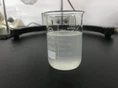

Hey there! As a decyl glucose supplier, I'm super excited to chat with you about how decyl glucose stacks up against other surfactants. Surfactants are everywhere in our daily lives, from the shampoo we use in the morning to the dish soap we rely on after dinner. They play a crucial role in a wide range of products, so it's important to understand the differences between them.
What Are Surfactants Anyway?
Before we dive into the comparison, let's quickly go over what surfactants are. Surfactants, short for surface - active agents, are compounds that lower the surface tension between two liquids or between a liquid and a solid. This property allows them to perform functions like cleaning, emulsifying, foaming, and wetting. There are four main types of surfactants: anionic, cationic, non - ionic, and amphoteric.
Decyl Glucose: A Natural and Friendly Surfactant
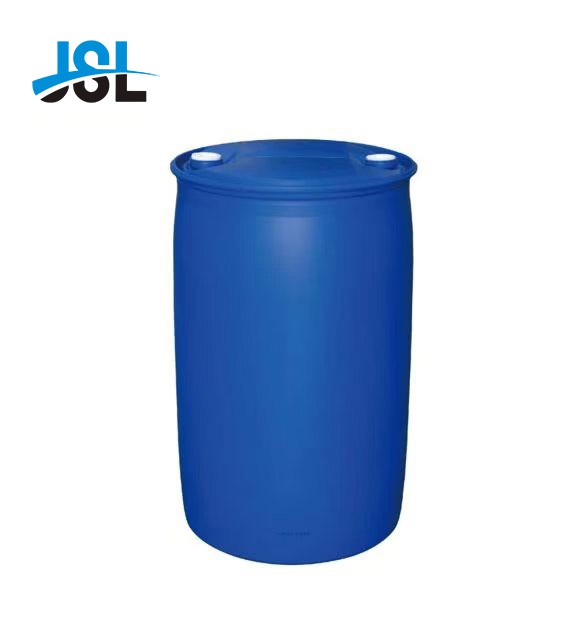
Decyl glucose is a non - ionic surfactant derived from natural sources, typically glucose and fatty alcohols. It's part of the alkyl polyglucoside (APG) family. One of the first things you'll notice about decyl glucose is its eco - friendliness. It's biodegradable, which means it breaks down easily in the environment without causing long - term harm.
In terms of safety, decyl glucose is a real winner. It has low toxicity, making it suitable for use in products that come into contact with our skin, like personal care items. It's gentle on the skin and eyes, reducing the risk of irritation, especially for people with sensitive skin. For example, if you have a baby, products containing decyl glucose are a great choice as they are less likely to cause any allergic reactions.
Comparing Decyl Glucose with Anionic Surfactants
Anionic surfactants are the most commonly used type of surfactants in cleaning products. They are known for their strong cleaning power and high foaming ability. Sodium lauryl sulfate (SLS) is a well - known anionic surfactant found in many shampoos, body washes, and dishwashing liquids.
However, anionic surfactants can be harsh. They have a negative charge that can strip the skin of its natural oils, leading to dryness, itching, and irritation. In contrast, decyl glucose, being non - ionic, doesn't have this problem. It cleans effectively without over - drying the skin.
Let's talk about foaming. Anionic surfactants usually produce a lot of foam, which many consumers associate with good cleaning. But here's the thing: foam doesn't always equal cleaning power. Decyl glucose may not produce as much foam as anionic surfactants, but it still gets the job done. And for those who prefer a more natural and gentle product, the lower foam isn't a drawback at all.
Decyl Glucose vs. Cationic Surfactants
Cationic surfactants have a positive charge. They are often used in fabric softeners and hair conditioners because they can neutralize the static charge on fabrics and hair, making them feel soft and smooth.
One of the limitations of cationic surfactants is that they are not very good at cleaning. They are more focused on conditioning. Decyl glucose, on the other hand, has both cleaning and some conditioning properties. It can clean dirt and grime while also leaving a bit of a softening effect on the skin and hair.
Another issue with cationic surfactants is that they can be incompatible with anionic surfactants. When mixed, they can form a precipitate, which reduces the effectiveness of both surfactants. Decyl glucose is more versatile in this regard. It can be used in combination with other types of surfactants without such compatibility issues. You can check out our APG 0810H60/220/decyl Glucoside/CAS:68515 - 73 - 1 which can be easily incorporated into various formulations.
Non - Ionic Surfactants: How Does Decyl Glucose Fit In?
Among non - ionic surfactants, decyl glucose stands out for its natural origin. Many other non - ionic surfactants are synthesized from petrochemicals, which may not be as sustainable or environmentally friendly.
Decyl glucose also has good emulsifying properties. It can help mix oil and water together, which is essential in products like creams and lotions. Some non - ionic surfactants may require higher concentrations to achieve the same level of emulsification as decyl glucose.
Amphoteric Surfactants and Decyl Glucose
Amphoteric surfactants have both positive and negative charges, which makes them very versatile. They are often used in mild, pH - balanced products. Cocamidopropyl betaine is a common amphoteric surfactant.
Amphoteric surfactants are generally mild, but they can sometimes cause allergic reactions in some individuals. Decyl glucose has a lower risk of such reactions. It's also more cost - effective in many cases. You can get a high - quality product with decyl glucose at a reasonable price. For example, our Caprylyl/Decyl Glucoside APG215 CS UP offers great value for money.
Applications of Decyl Glucose
Decyl glucose has a wide range of applications. In the personal care industry, it's used in shampoos, body washes, facial cleansers, and baby products. Its gentle nature makes it suitable for all skin types, especially sensitive skin.
In the household cleaning sector, it can be found in dishwashing liquids, laundry detergents, and all - purpose cleaners. It provides effective cleaning while being safer for the environment and the users.
In the food industry, decyl glucose can be used as an emulsifier and wetting agent. It helps in mixing ingredients and improving the texture of food products.
The Future of Decyl Glucose
As consumers become more aware of the environmental and health impacts of the products they use, the demand for natural and gentle surfactants like decyl glucose is on the rise. Companies are increasingly looking for alternatives to traditional surfactants, and decyl glucose fits the bill perfectly.
We are constantly researching and developing new formulations to make the most of decyl glucose's properties. For example, our APG 0810H70BG/decyl Glucoside/CAS:68515 - 73 - 1/BG - 10 is a product that combines the best features of decyl glucose for various applications.
Contact Us for Your Decyl Glucose Needs
If you're in the market for decyl glucose, whether it's for personal care product manufacturing, household cleaning product development, or any other application, we're here to help. We offer high - quality decyl glucose products at competitive prices. Don't hesitate to reach out to us for more information or to start a procurement discussion. We can work together to find the best solution for your specific requirements.
References
- McCutcheon's Emulsifiers & Detergents.
- Surfactant Science Series.
- Journal of Surfactants and Detergents.