


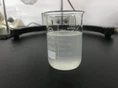

Hey there! As a supplier of APG425N, I've gotten tons of questions lately about how to boost its performance. Well, you're in luck because I'm here to share some solid tips and tricks that I've picked up over the years.
First off, let's quickly talk about what APG425N is. It's an alkyl polyglucoside, which is a type of non - ionic surfactant. These surfactants are super popular because they're biodegradable, non - toxic, and have great foaming and emulsifying properties. APG425N, in particular, is used in a wide range of applications like personal care products, household cleaners, and industrial detergents.
Understanding the Basics of APG425N
Before we dive into the ways to improve its performance, it's important to understand the basic characteristics of APG425N. It has a good solubility in water, and its performance can be affected by factors such as pH, temperature, and the presence of other chemicals.
pH Level
The pH of the solution where APG425N is used plays a crucial role. APG425N generally performs well in a pH range of 5 - 10. If the pH is too low (acidic), it might cause some precipitation or reduce its solubility. On the other hand, if the pH is too high (alkaline), it could potentially degrade the surfactant over time. So, when formulating a product with APG425N, make sure to adjust the pH within this optimal range. You can use common pH adjusters like citric acid for lowering the pH or sodium hydroxide for raising it.
Temperature
Temperature also has a significant impact on the performance of APG425N. At lower temperatures, its solubility might decrease, leading to cloudiness or even separation in the solution. In general, it's best to use APG425N at temperatures between 20 - 40°C. If you're working in a colder environment, you can gently heat the solution to improve its solubility and performance. However, be careful not to overheat it, as extremely high temperatures can also damage the surfactant.
Compatibility with Other Chemicals
APG425N is known for its good compatibility with a variety of other chemicals. But, there are still some things to watch out for.
Electrolytes
Electrolytes, such as salts, can affect the performance of APG425N. In some cases, a small amount of electrolyte can actually enhance its foaming and emulsifying properties. However, too much electrolyte can cause salting - out, where the surfactant precipitates out of the solution. So, when adding electrolytes to a formulation containing APG425N, it's important to do it in moderation and test the solution thoroughly.
Other Surfactants
APG425N can be combined with other surfactants to achieve better performance. For example, it can be mixed with anionic surfactants like sodium lauryl sulfate (SLS) or cationic surfactants in certain ratios. When mixed properly, these combinations can enhance the overall performance of the product, such as improving the foam quality or cleaning power. But, you need to be careful about the ratios, as an improper mix can lead to incompatibility issues.
Choosing the Right Concentration
The concentration of APG425N in a formulation is another key factor. Using too little might not give you the desired performance, while using too much can be wasteful and might even cause problems.
Foaming Applications
In foaming applications, such as shampoos or body washes, a concentration of 5 - 15% APG425N is usually sufficient to achieve good foaming properties. If you want more intense foam, you can increase the concentration slightly, but again, test it first to make sure there are no negative effects.
Cleaning Applications
For household or industrial cleaning products, the concentration can be adjusted based on the level of dirt and grease to be removed. A concentration of 10 - 20% might be appropriate for heavy - duty cleaning, while 5 - 10% could be enough for light - duty cleaning.
Related Products for Enhanced Performance
There are also some related products that can be used in combination with APG425N to improve its performance.
APG 0814/coco Glucoside/CAS:141464 - 42 - 8 is a similar alkyl polyglucoside that can be mixed with APG425N. This combination can enhance the solubility and foaming properties of the solution.
Decyl Glucoside APG 2000UP is another great option. It has excellent biodegradability and can work well with APG425N in various applications.
And APG 0814N/425N/coco Glucoside/CAS:141464 - 42 - 8 can be used to further improve the natural and eco - friendly aspects of a formulation.
Testing and Quality Control
No matter how well you understand the theory, testing is always the key to ensuring the best performance of APG425N.
Small - Scale Testing
Before scaling up a formulation, it's crucial to conduct small - scale tests. This allows you to adjust the parameters such as pH, temperature, and concentration to find the optimal combination. You can also test the compatibility with other chemicals and observe the performance over time.
Quality Control
Implement a strict quality control process. Check the appearance, solubility, and performance of the product at regular intervals. This will help you catch any issues early and make necessary adjustments to maintain the high - quality performance of APG425N in your products.
Conclusion
Improving the performance of APG425N requires a good understanding of its basic characteristics, careful consideration of factors like pH, temperature, and compatibility with other chemicals, and proper testing and quality control. By following these tips, you can make the most out of this versatile surfactant and create high - quality products.
If you're interested in purchasing APG425N or have any questions about its performance improvement, feel free to reach out. We're always here to help you with your specific needs and guide you through the process.
References
- "Surfactant Science and Technology" by Drew Myers
- Various industry reports on alkyl polyglucosides and their applications