




Hey there! As a coco glycoside supplier, I often get asked about the viscosity of coco glycoside solutions. It's a pretty important topic, especially for those in industries like cosmetics, detergents, and personal care products. So, let's dive right in and explore what the viscosity of coco glycoside solutions is all about.
What is Coco Glycoside?
First things first, let's quickly go over what coco glycoside is. Coco glycoside is a type of alkyl polyglucoside (APG). It's made from natural raw materials like coconut oil and glucose, which makes it an eco - friendly and biodegradable surfactant. Surfactants are substances that reduce the surface tension between two liquids or between a liquid and a solid. They're super important in products like shampoos, body washes, and dish soaps because they help with things like foaming, cleaning, and emulsifying.

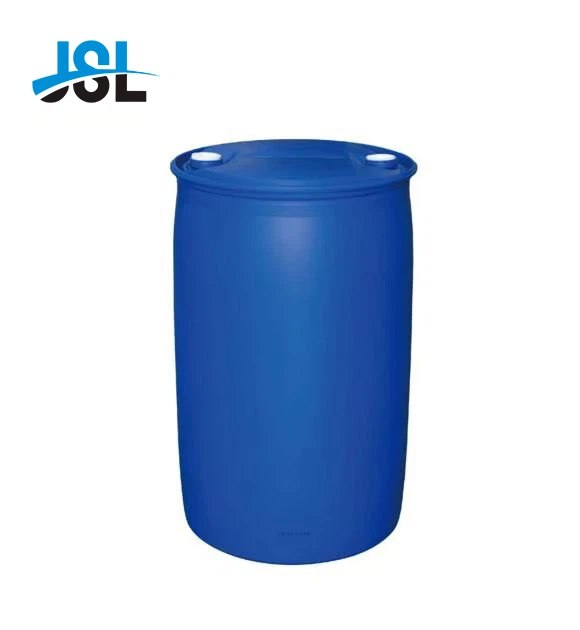
You can check out more about our APG 0814/coco Glucoside/CAS:141464 - 42 - 8 on our website.
Understanding Viscosity
Viscosity is basically a measure of a fluid's resistance to flow. Think of it like this: honey has a high viscosity because it flows very slowly, while water has a low viscosity because it flows easily. In the case of coco glycoside solutions, the viscosity can have a big impact on how the product behaves and is used.
Factors Affecting the Viscosity of Coco Glycoside Solutions
- Concentration: One of the most significant factors is the concentration of coco glycoside in the solution. Generally, as the concentration of coco glycoside increases, the viscosity of the solution also goes up. When you have more coco glycoside molecules in the solution, they interact with each other more, creating a more viscous or thicker fluid. For example, a 10% coco glycoside solution will be less viscous than a 30% solution.
- Temperature: Temperature plays a crucial role too. As the temperature of the coco glycoside solution rises, the viscosity decreases. This is because higher temperatures give the molecules more energy, allowing them to move around more freely and reducing the internal friction that causes viscosity. So, if you heat up a coco glycoside solution, it will become thinner and flow more easily.
- pH Level: The pH of the solution can also affect viscosity. Coco glycoside solutions usually have an optimal pH range where they maintain a stable viscosity. If the pH is too high or too low, it can disrupt the interactions between the coco glycoside molecules, leading to changes in viscosity. For most applications, a slightly acidic to neutral pH is preferred to keep the viscosity in the desired range.
- Presence of Other Ingredients: When you mix coco glycoside with other ingredients like salts, polymers, or other surfactants, it can change the viscosity. Some salts can act as thickeners, increasing the viscosity of the solution. On the other hand, certain polymers might be added to control the viscosity and make the solution more stable.
Measuring the Viscosity of Coco Glycoside Solutions
There are several ways to measure the viscosity of coco glycoside solutions. One common method is using a viscometer. A viscometer works by measuring the force required to move an object through the fluid or the time it takes for the fluid to flow through a tube. There are different types of viscometers, such as rotational viscometers and capillary viscometers.
Rotational viscometers are often used because they're relatively easy to use and can provide accurate results. They work by rotating a spindle in the fluid and measuring the torque required to keep the spindle rotating at a constant speed. The higher the torque, the higher the viscosity of the fluid.
Importance of Viscosity in Different Applications
Cosmetics and Personal Care Products
In cosmetics and personal care products, the viscosity of coco glycoside solutions is crucial. For example, in shampoos, a certain level of viscosity is needed to make the product easy to pour and apply. If the viscosity is too low, the shampoo might run out of the bottle too quickly and be difficult to control. On the other hand, if it's too high, it might be hard to dispense and spread evenly on the hair.
In lotions and creams, viscosity affects the texture and feel of the product. A more viscous lotion will feel thicker and more luxurious, while a less viscous one will be lighter and more easily absorbed. You can learn more about our APG 0814/coco Glucoside/CAS:141464 - 42 - 8 which is widely used in these applications.
Detergents
In detergents, viscosity can impact the cleaning performance and the ease of use. For liquid dish soaps, a moderate viscosity is ideal. It allows the soap to cling to dishes and utensils, providing better cleaning power. If the viscosity is too low, the soap might just run off the dishes without effectively removing grease and dirt.
Controlling the Viscosity of Coco Glycoside Solutions
If you're using coco glycoside solutions in your products, you might need to control the viscosity. Here are some ways to do it:
- Adjusting Concentration: As mentioned earlier, changing the concentration of coco glycoside is a straightforward way to control viscosity. If you want a more viscous solution, you can increase the amount of coco glycoside.
- Adding Thickeners or Diluents: You can add thickeners like salts or polymers to increase the viscosity. For example, sodium chloride is a common thickener used in coco glycoside solutions. If you need to reduce the viscosity, you can add water or other diluents.
- Controlling Temperature: By adjusting the temperature during the manufacturing process, you can temporarily change the viscosity. You can then cool the solution to lock in the desired viscosity.
Conclusion
The viscosity of coco glycoside solutions is a complex but important topic. It's influenced by factors like concentration, temperature, pH, and the presence of other ingredients. Understanding and controlling the viscosity is essential for getting the best performance out of coco glycoside in various applications, from cosmetics to detergents.
If you're interested in using coco glycoside in your products and want to learn more about its viscosity and how to control it, or if you're looking to purchase our high - quality coco glycoside products, feel free to get in touch with us. You can also explore more details about our APG 0814/coco Glucoside/CAS:141464 - 42 - 8. We're here to help you with all your coco glycoside needs and ensure you get the right product for your specific requirements.
References
- "Surfactant Science Series: Alkyl Polyglucosides" by M. J. Rosen
- "Cosmetic Science and Technology" by P. M. Druesne