



Hey there! As a supplier of APG60, I often get asked if this product can be used in aerospace applications. In this blog post, I'll dive into the details and explore whether APG60 has a place in the aerospace industry.
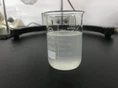
First off, let's talk a bit about what APG60 is. APG60, or Alkyl Polyglucoside 60, is a type of non - ionic surfactant. It's made from renewable raw materials like fatty alcohols and glucose, which makes it an environmentally friendly option. It has excellent surface - active properties, such as low surface tension, good wetting ability, and high foaming power. These properties make it useful in a wide range of applications, from personal care products to industrial cleaning.
Now, let's consider the requirements of aerospace applications. The aerospace industry has some of the most stringent requirements when it comes to materials. Components used in aerospace need to be able to withstand extreme conditions, including high and low temperatures, high pressures, and exposure to radiation. They also need to be lightweight, corrosion - resistant, and have good mechanical properties.
When it comes to temperature resistance, APG60 has a relatively good performance. It can maintain its stability over a certain temperature range. However, the aerospace environment can have temperature fluctuations that are far more extreme than what APG60 is typically exposed to in other applications. For example, in outer space, temperatures can range from extremely cold (near absolute zero) to very hot when exposed to direct sunlight. While APG60 can handle some temperature variations, more research would be needed to determine if it can stand up to the full range of aerospace temperatures.
In terms of corrosion resistance, APG60 shows promise. Since it's a non - ionic surfactant, it doesn't have the same tendency to cause corrosion as some ionic surfactants. In aerospace, corrosion can be a major issue, especially for metal components. APG60 could potentially be used in cleaning solutions for aerospace parts to prevent corrosion during maintenance.
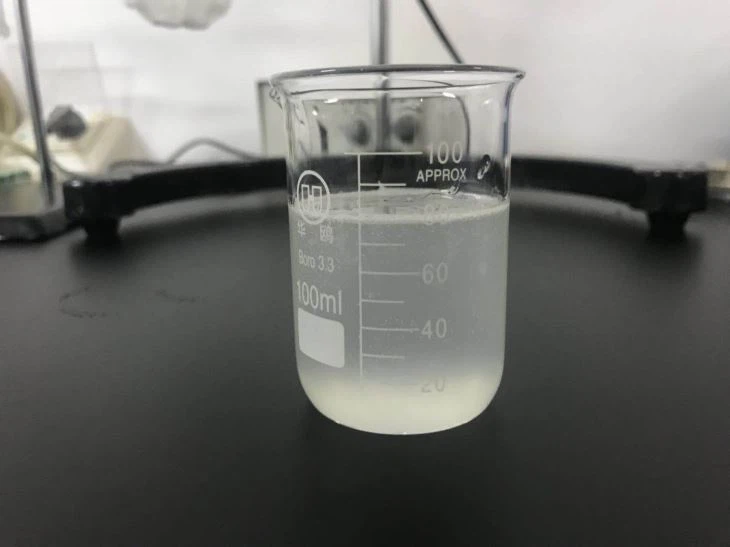
Weight is another crucial factor in aerospace. Every extra gram matters when it comes to fuel efficiency and payload capacity. APG60 is a liquid, and its density needs to be considered in the context of aerospace applications. If it can be used in a way that doesn't add significant weight to the overall system, it could be a viable option. For example, in some aerospace cleaning processes, using a lightweight cleaning agent like APG60 could be beneficial.
Let's also think about the compatibility of APG60 with other aerospace materials. It needs to be compatible with the various metals, polymers, and composites used in aerospace construction. If it reacts with these materials, it could cause damage to the components. Some initial tests have shown that APG60 has good compatibility with many common materials, but again, more in - depth testing is required for aerospace - specific materials.
Now, let's look at some of the related products in our APG series that might also be relevant to aerospace applications. We have the APG 0810H70DK/decyl Glucoside/CAS:68515 - 73 - 1/225DK. This product has similar non - ionic surfactant properties as APG60. It could potentially be used in similar aerospace cleaning or surface - treatment applications. Another product is the APG 0810H60/220/decyl Glucoside/CAS:68515 - 73 - 1. It also has good surface - active properties and might be suitable for aerospace applications where cleaning or wetting is required. And then there's the Caprylyl/Decyl Glucoside APG215 CS UP, which could be considered for its environmental friendliness and similar surfactant characteristics.
One area where APG60 could potentially shine in aerospace is in the area of component cleaning. During the manufacturing process of aerospace parts, there are often residues of oils, greases, and other contaminants that need to be removed. APG60's good wetting and cleaning properties make it a candidate for formulating cleaning solutions. It can penetrate and remove these contaminants effectively without leaving behind harmful residues.
In addition, APG60's low toxicity is an advantage. In aerospace, where there are concerns about the health of astronauts and the environmental impact of materials released into space, a low - toxicity material like APG60 is more appealing.
However, there are still some challenges. The aerospace industry is highly regulated, and any new material needs to go through a long and rigorous certification process. This involves extensive testing in simulated aerospace environments and real - world trials. There's also the issue of cost. Developing and certifying a new material for aerospace use can be extremely expensive.
Despite these challenges, I believe there's potential for APG60 in aerospace applications. With further research and development, we could optimize its properties to better suit the aerospace environment. For example, we could modify its chemical structure to improve its temperature resistance or enhance its compatibility with aerospace materials.
If you're in the aerospace industry and are interested in exploring the potential of APG60 or our other APG products for your applications, I'd love to have a chat. We can discuss your specific requirements and see if our products can be a good fit. Whether it's for cleaning, surface treatment, or other potential uses, we're here to work with you to find the best solutions. Contact us to start a conversation about how APG60 could be integrated into your aerospace projects.
In conclusion, while APG60 isn't currently a mainstream material in aerospace applications, it has the potential to be. Its unique properties, combined with its environmental friendliness, make it an option worth considering. With more research, testing, and development, we could see APG60 playing a role in the future of aerospace.
References:
- "Surfactant Science and Technology" by Drew Myers. This book provides in - depth knowledge about surfactants, including their properties and applications.
- Aerospace Material Handbook, which outlines the requirements and standards for materials used in the aerospace industry.
- Research papers on non - ionic surfactants and their performance under extreme conditions, which can be found in scientific journals such as the Journal of Surfactants and Detergents.