


Jeslyee Chemicals: A One-Stop Alkyl Polyglucoside Supplier
Renowned for its good reputation, our company has served dozens of customers globally and has emerged as a leading firm in the chemicals and ingredients sector, with a focus on the surfactant industry.
Why choose us?
Stable Supply
As a professional chemical company, we possess our own laboratories and factories, ensuring a consistent supply and stable quality. Our product range includes alkyl polyglucosides such as APG 0810, APG 0814, APG 1214, lipid layer enhancers, lauryl glucoside, among others.
One-Stop Service
Our philosophy is to marry high-quality products with competitive pricing, striving to fulfill chemical needs through comprehensive order services and technical support. We offer advice, solutions, product samples, and any necessary documentation, ensuring you have a dependable partner in the surfactant sector.
Rich Market Experience
Our APG products have been exported to numerous countries and regions, including the United States, Canada, Mexico, Malaysia, Vietnam, the United Arab Emirates, Russia, and Uzbekistan. Our sales team is both experienced and knowledgeable, capable of supporting customers in any region.
Professional Team
We have a team of experts who recommend products based on customer needs. Additionally, every order is fulfilled within the specified deadline, and our professional logistics team provides shipment details according to the order. We have also established a dedicated customer service team to follow up on product feedback.

APG 0814/Coco Glucoside/CAS:141464-42-8
APG 0814/coco glucoside/CAS:141464-42-8 Chemical description Aqueous solution of alkyl polyglucosides based on a fatty alcohol C8 - C14

APG 0810H70DK/Decyl Glucoside/CAS:68515-73-1/225DK
APG 0810H70DK/decyl glucoside/CAS:68515-73-1 Chemical description alkyl polyglucoside C8-C10 Labeling information INCI name: decyl glucoside CAS-No.: 68515-73-1

APG 0810H70/Decyl Glucoside/CAS:68515-73-1
APG 0810H70/decyl glucoside/CAS:68515-73-1 Chemical description alkyl (C8-C10) polyglycoside Labeling information INCI name: decyl glucoside CAS-No.: 68515-73-1

APG 0810H60/220/Decyl Glucoside/CAS:68515-73-1
APG 0810H60/decyl glucoside/CAS:68515-73-1 Chemical description Aqueous solution of alkyl polyglycosides based on a fatty alcohol C8 - C10

APG 0810H65/Decyl Glucoside/CAS:68515-73-1
APG 0810H65/decyl glucoside/CAS:68515-73-1 Chemical description alkyl polyglucoside C8 - C10 Labeling information INCI name:decyl glucoside CAS-No.:68515-73-1

APG 0810/Decyl Glucoside/CAS:68515-73-1
APG 0810/decyl glucoside/CAS:68515-73-1 Chemical description Alkyl(C8-C10) Polyglucoside Labeling information INCI name: decyl glucoside CAS-No.: 68515-73-1

APG 1214 (APG1200UP) Chemical description C12 - C16 fatty alcohol glucoside Labeling information INCI name: Lauryl Glucoside CAS-No.: 110615-47-9 Product properties Appearance: slightly cloudy and viscous liquid Physical properties: Solid Content(%) 50.0-52.0 Water (wt %) 48.0-50.0 pH...
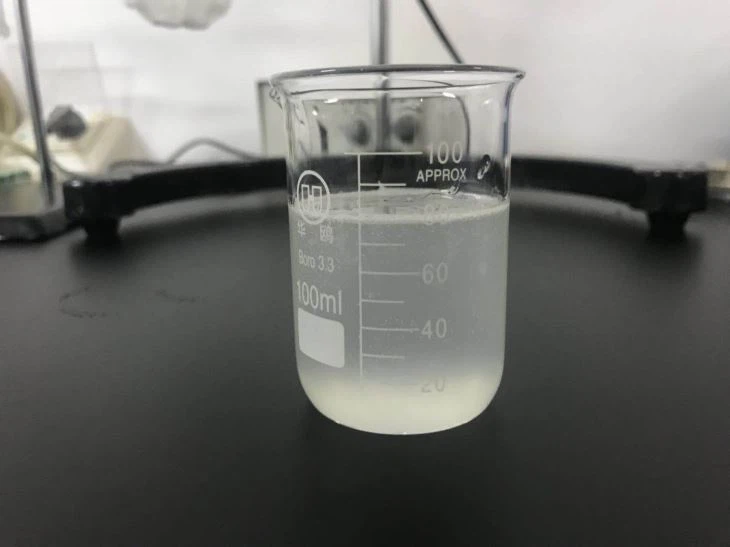
Caprylyl/Decyl Glucoside APG215 CS UP
APG 0810H65 (APG 215 CS UP) Chemical description Aqueous solution of alkyl polyglucosides based on a fatty alcohol C8 - C10 Labeling information INCI name: Caprylyl/Decyl Glucoside CAS-No.: 68515-73-1 Synonyms: Decyl Glucoside Product properties Appearance Light yellow viscous...
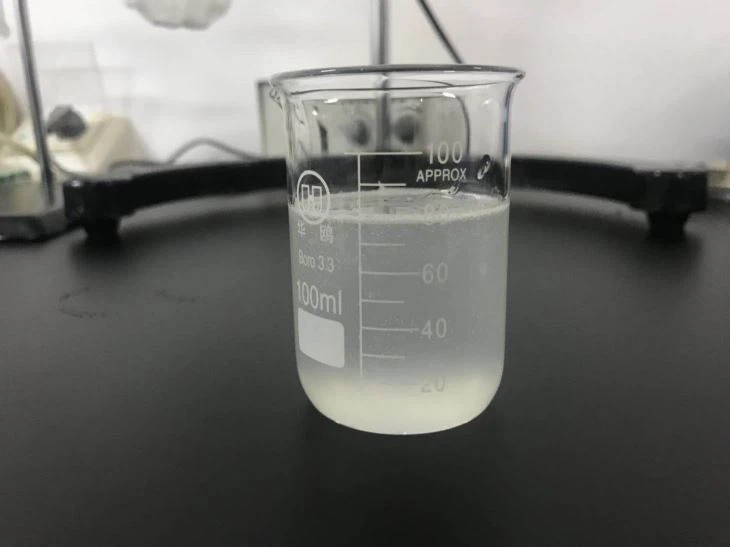
Caprylyl/Decyl Glucoside APG 8170
APG 0810H70 Chemical description Aqueous solution of alkyl polyglucosides based on a fatty alcohol C8 - C10 Labeling information INCI name: Capryl Glucoside CAS-No.: 68515-73-1 Synonyms: Decyl Glucoside Product properties Appearance light yellow liquid Physical properties Solid...
What is APG PO65
APG-PO65, a specialized Alkyl Polyglucoside surfactant, is crafted to elevate performance in personal care products. This formulation offers a balance of gentle and effective cleansing, ideal for both skin and hair care. Its biodegradable nature meets eco-friendly criteria, establishing its preference in sustainable cosmetic recipes.
CoCo Glucoside Uses and Benefits
Choosing Natural Ingredients
When creating your own shampoos and cleansers from scratch, prioritize selecting premium natural ingredients. This ensures that your final product is gentle, nourishing, and free from toxins. One such ingredient is Coco Glucoside, known for its emulsifying properties and absence of harmful substances like sulfates and parabens.
The Role of Coco Glucoside
Coco Glucoside is classified as a "non-ionic surfactant." These types of surfactants are commonly used in cosmetics and shampoos as cleansing and foaming agents. They serve as a safer alternative to potentially hazardous chemicals, such as lauryl sulfates, formaldehyde, and diethanolamines.
Quality of Ingredients
The quality of your homemade soaps and shampoos largely depends on the quality of ingredients used. Opting for natural substances can significantly elevate the end product. For those passionate about crafting their own botanicals and soaps, Coco Glucoside is an essential ingredient to always have on hand.
Primary Uses for Coco Glucoside
Coco Glucoside, a pale yellowish viscous liquid, is an extremely useful natural ingredient with excellent emulsifying properties. It is perfect for use in skincare products and shampoos, especially when blending oils or mixing water with essential oils to achieve desired outcomes. Its inclusion adds foaming and cleansing qualities without relying on artificial substances.
Versatile in application, Coco Glucoside can be found in various products like liquid soaps, skincare lotions, herbal shampoos, eye creams, bronzers, masks, foaming cleansers, and even baby products. It plays a crucial role in moisturizing body washes, lotions, and products for sensitive skin.
As one of the gentlest emulsifying agents on the market, Coco Glucoside is ideal for creating lotions and gels meant to alleviate skin conditions such as dryness and acne. Unlike many chemicals, it does not cause further irritation, making it suitable for those with sensitive skin.
The Benefits of Using Natural Products
Avoiding Harmful Chemicals
There are numerous unnatural and potentially harmful chemicals in many shampoos, skincare products, soaps, and cosmetics. Despite growing awareness of their impact on health, these chemicals remain prevalent. One significant benefit of crafting your own homemade botanicals and soaps is the avoidance of such chemicals.
The Delicate Nature of Skin
Your skin is one of the most sensitive parts of your body, easily affected by harsh chemical compounds. Incorporating more raw natural ingredients into your lotions and soaps can help maintain your skin's natural moisture and radiance. Chemicals often contribute to dryness and inflammation, which are common副作用 of many major brand shampoos, soaps, and detergents. The goal of using these products should be to cleanse and nourish, not to deplete nutrients and induce dryness.
The Impact of Unnatural Products
A heavy reliance on unnatural products can lead to various skin and hair problems, including dry flaky scalp, brittle hair, redness, and irritation. Chemicals like sulfates strip the skin of its natural oils, leading to persistent skin issues that may require medical treatment. Utilizing natural substances like Coco Glucoside and creating your own products can prevent these issues, restoring skin's natural balance and glow.
The Benefits of Coco Glucoside
Coco Glucoside, derived from coconut and fruit sugars, serves as a potent yet gentle natural cleanser suitable for all skin types. Its biodegradable nature makes it an eco-friendly alternative to sulfates and other harsh chemicals, benefiting both your health and the environment. Choosing natural, biodegradable compounds offers a sustainable solution that effectively cleanses and refreshes without compromising your well-being or the planet's.

Coco Glucoside is formed through a chemical reaction between glucose-a type of sugar found in starch from wheat or corn-and fatty alcohols derived from coconut oil. This process results in a natural, gentle, and environmentally friendly cleansing agent and surfactant, a term that is short for "Surface Active Agent." Coco Glucoside can also be produced by combining glucose with derivatives of palm oil.
High Efficiency Emulsification
COCO Glucoside, a high-performance surfactant, features an exceptional hydrophilic glucose unit and a lipophilic coconut oil alkyl (CO) group. This unique dual-affinity structure ensures high activity at the water-oil interface, effectively reducing interfacial tension to form stable emulsions. With an HLB value typically between 12-16, COCO Glucoside exhibits excellent emulsification capabilities in various water-oil ratios for both O/W and W/O emulsions, ensuring a smooth and stable result.
Gentleness and Safety
COCO Glucoside's gentleness is another notable feature. Derived from natural glucose and coconut alcohol, it causes less irritation to skin and eyes compared to traditional synthetic surfactants, making it ideal for sensitive skin and personal care products. Toxicological tests confirm its safety with a high LD50 value, ensuring safe usage.
Stability and Compatibility
In complex cosmetic formulations, COCO Glucoside demonstrates outstanding stability and broad compatibility. It integrates well with various active ingredients, preservatives, and stabilizers without causing separation or precipitation. Stable across acidic and alkaline environments, COCO Glucoside maintains its surface activity regardless of pH, offering greater flexibility and application range in diverse personal care product designs.
Enhanced Absorption of Active Ingredients
COCO Glucoside's molecular structure enhances the solubility and permeability of active ingredients. Acting as a co-solvent, it helps disperse oil-soluble components in water and vice versa. This is crucial in skincare, significantly improving the bioavailability of efficacy ingredients, thus amplifying product results. For instance, in anti-aging products, COCO Glucoside facilitates deeper penetration of antioxidants and peptides into the skin layers, enhancing anti-aging effects.
The Power of Coco-Glucoside: A Secret Ingredient for Lustrous Hair
Coco-glucoside is a nonionic surfactant derived from coconut oil and glucose. It has gained favor in the cosmetic industry, especially in hair care products, due to its mild cleansing characteristics and potential benefits for hair health. Let's explore how coco-glucoside can contribute to achieving beautiful hair. When selecting products with coco-glucoside, it's crucial to review the entire ingredient list and consider your personal preferences and hair needs. While coco-glucoside offers numerous advantages, the overall efficacy of a hair care product depends on its complete formulation and its ability to address specific hair issues.
Coco-Glucoside is a nonionic surfactant derived from renewable resources, known for being natural, gentle, and biodegradable. It is extensively used in various personal care, cosmetic, and household products due to its mild cleansing properties and environmental friendliness. Let's explore its history, production, and advantages: Coco-Glucoside consists of two main ingredients: coconut oil and glucose. It is produced through the enzymatic hydrolysis of coconut oil, followed by the condensation of the resulting product with glucose. This process results in a mild, water-soluble surfactant with excellent foaming and cleansing properties. Its natural derivation from coconut oil makes it appealing to consumers seeking more sustainable and eco-friendly products.
Coco-Glucoside is a nonionic surfactant derived from renewable resources, known for being natural, gentle, and biodegradable. It is extensively used in various personal care, cosmetic, and household products due to its mild cleansing properties and environmental friendliness. Let's explore its history, production, and advantages: Coco-Glucoside consists of two main ingredients: coconut oil and glucose. It is produced through the enzymatic hydrolysis of coconut oil, followed by the condensation of the resulting product with glucose. This process results in a mild, water-soluble surfactant with excellent foaming and cleansing properties. Its natural derivation from coconut oil makes it appealing to consumers seeking more sustainable and eco-friendly products.
Coco-Glucoside is a natural surfactant known for its eco-friendly properties. It has gained popularity in the cosmetics, personal care, and cleaning product industries due to its gentleness, biodegradability, and sustainability. Here's why Coco-Glucoside is considered a natural and environmentally beneficial ingredient:
Natural Origin: The ingredients used to produce Coco-Glucoside are renewable and natural.
Coconut Oil: Derived from coconuts, coconut oil contains fatty acids that form the hydrophobic (water-repellent) part of the Coco-Glucoside molecule.
Glucose: Glucose, a simple sugar molecule sourced from plants like corn, constitutes the hydrophilic (water-attracting) component of Coco-Glucoside.
Biodegradability: The eco-friendly nature of Coco-Glucoside is largely due to its biodegradability. After use, environmental microbes break down Coco-Glucoside into its natural components: fatty acids, carbohydrates, and water. This is in contrast to some synthetic surfactants that persist in the environment and contribute to pollution.
Renewable Source: Coconut oil, a key ingredient in Coco-Glucoside, is sourced from coconuts, which are renewable and sustainable. This reduces our reliance on non-renewable petrochemical sources commonly used in synthetic surfactant production.
Low Environmental Impact: Thanks to its biodegradability and compatibility with aquatic ecosystems, Coco-Glucoside has a minimal environmental impact compared to non-biodegradable surfactants that can accumulate in water bodies.
How CoCo-Glucoside Transforms Your Haircare Routine
Coco-Glucoside, a natural surfactant derived from coconut oil and glucose, has the potential to transform your hair care routine completely. Whether you're looking for gentle cleansing, eco-friendly solutions, or seeking to enhance the overall health of your hair, Coco-Glucoside can play a crucial role in improving it. Here's how it can revolutionize your hair care regimen:


Gentle Cleansing: Coco-Glucoside offers gentle cleansing properties, making it an ideal choice for individuals with sensitive scalps or prone to irritation. Unlike harsher cleansers that can strip away natural oils, Coco-Glucoside effectively removes dirt, oil, and styling products while maintaining the hair's natural moisture balance. This results in clean, revitalized hair free from dryness and irritation.
Eco-Friendly Choice: By incorporating Coco-Glucoside-based products into your hair care routine, you are making an environmentally conscious decision. Its biodegradability ensures that the surfactant breaks down naturally after use, reducing its environmental impact compared to non-biodegradable alternatives. This aligns with sustainable practices and contributes to a cleaner environment.
Sulfate-Free Cleansing: Many conventional shampoos contain sulfates, which can be effective cleansers but may irritate the scalp and hair. Coco-Glucoside serves as a sulfate-free cleansing agent that is gentle yet effective. It produces a soft lather that cleanses without compromising the hair's natural oils, leading to healthier-looking and more manageable hair.
Enhanced Lathering: Coco-Glucoside produces a stable and luxurious lather, enhancing your shampooing experience. This lather helps distribute the product evenly across your scalp and hair, ensuring thorough cleansing while providing a sense of luxury during your hair care routine.
Suitable for All Hair Types: Thanks to its versatility, Coco-Glucoside is suitable for various hair types, including straight, wavy, curly, and coily hair. Its mild nature does not weigh down fine hair or disrupt the natural curl pattern of textured hair.
pH Balance and Hair Health: Coco-Glucoside is effective across a wide pH range, making it suitable for various hair care formulations. Using Coco-Glucoside products can help maintain a balanced pH on your scalp, which is crucial for overall hair health and minimizing issues like dandruff and scalp irritation.
Supporting Natural and Organic Hair Care: For those seeking natural and organic hair care, Coco-Glucoside is a common ingredient in such formulations. Its plant-derived origin aligns with natural beauty philosophies, and its effectiveness in cleansing and maintaining hair health makes it a staple in these products.
Incorporating Coco-Glucoside: Look for hair care products that list Coco-Glucoside as a primary ingredient. This includes shampoos, conditioners, and even styling products. Follow the instructions on the product packaging and tailor your hair care routine to your hair type and specific needs.
Our Factory
At Jeslyee Chemicals, our staff is committed to excellence in all aspects of our business. Our sales associates are experienced and knowledgeable, providing support to all our clients. Technical service is a key component for the continuous growth of Jeslyee Chemicals. We can offer suggestions, solutions, product samples, as well as any required documents, and you will find a reliable partner in the surfactants field. Our values include dedicating ourselves to our clients' success and innovation through thoughtful practices and building long-term relationships with suppliers and customers.
FAQ
Q: What are the benefits of Coco glucoside?
Q: What are the benefits of Glucoside?
Q: Is Coco Glucoside good for your face?
Q: What is a substitute for Coco glucoside?
We tend to prefer Caprylyl/Capryl Glucoside in any recipe that calls for coco glucoside.
Q: What are the benefits of Coco on skin?
Q: What are the side effects of Coco glucoside?
Q: Is Coco glucoside a foam booster?
Q: Is Coco glucoside drying?
Q: Which is better Decyl Glucoside or coco glucoside?
Q: Which surfactant is most toxic?
Q: Is decyl glucoside safe for kids?
Q: What is the other name for Caprylyl Capryl glucoside?
Caprylyl/Capryl Glucoside (INCI) D-Glucopyranose, Oligomeric, Decyl, Octyl Glycoside.
Q: What is an alternative to caprylyl capryl glucoside?
Q: What does alkyl polyglucoside do in cleaning products?
Q: Is Alkyl polyglucoside(APG) safe?
Q: What is the purpose of alkyl polyglucosides?
Q: Are alkyl polyglucosides toxic?
Q: What is the process of alkyl polyglucosides production?
Q: What is an example of an alkyl polyglucoside?
Q: Is Decyl Glucoside natural or synthetic?
Hot Tags: apg po65, China apg po65 manufacturers, suppliers, factory, APG0810, , 68515 73 1